Acne + Barrier Repair: How to Treat Breakouts Without Stripping
Acne + Barrier Repair: How to Treat Breakouts Without Stripping
For years, acne treatment followed a simple philosophy: dry it out until it disappears. Cleansers foamed aggressively, toners stung on contact, and spot treatments promised to “zap” pimples overnight.
Yet modern dermatology—and countless irritated faces—have revealed a different truth: over-stripping the skin often makes acne worse.
Today’s skincare science recognizes that a healthy skin barrier is one of the most powerful tools for controlling breakouts. When the barrier becomes damaged, the skin grows inflamed, dehydrated, and reactive—creating the perfect environment for persistent acne.
In 2026, the smarter approach is clear: treat acne while protecting the barrier, not destroying it. 🌿
This guide explores how breakouts and barrier health interact, and how to build an acne routine that clears skin without triggering irritation or rebound oiliness.
Understanding the Skin Barrier


4
The skin barrier is the outermost layer of the epidermis, often described using the classic “brick and mortar” model.
Skin cells act as the bricks
Lipids (ceramides, cholesterol, fatty acids) form the mortar
Together, they create a protective shield that performs several critical functions:
Prevents moisture loss
Blocks irritants and pollution
Regulates inflammation
Maintains microbiome balance
When intact, the barrier keeps skin resilient and balanced. But when disrupted—through harsh cleansers, aggressive exfoliation, or overuse of acne treatments—it becomes compromised.
Signs of barrier damage often include:
Persistent redness
Stinging or burning with products
Tightness after cleansing
Increased breakouts
Flaky yet oily skin
Ironically, many people experiencing acne already have a weakened barrier, especially when they rely heavily on drying treatments.
Why Over-Stripping Makes Acne Worse
Traditional acne advice focused almost entirely on oil removal. But research now shows that acne is driven by multiple factors:
Excess sebum
Clogged pores
Inflammation
Microbiome imbalance
Barrier dysfunction
When harsh products strip the skin repeatedly, the body responds by producing more oil to compensate. This process can lead to a cycle known as rebound oil production.
Here’s how the cycle unfolds:
Harsh cleanser removes natural oils
Skin becomes dehydrated and irritated
Sebaceous glands increase oil output
Pores clog more easily
Breakouts worsen
Meanwhile, barrier damage also triggers low-level inflammation, which further contributes to acne lesions.
Modern dermatology therefore focuses on calming the skin while addressing the root causes of acne.
The New Acne Philosophy: Repair While Treating
The most effective acne routines today combine two goals simultaneously:
Target acne-causing factors
Strengthen the skin barrier
Instead of relying on aggressive treatments, dermatologists increasingly recommend barrier-supportive actives.
These include ingredients that treat breakouts while remaining gentle enough to maintain skin health.
Examples include:
Azelaic acid
Low-percentage salicylic acid
Niacinamide
Sulfur
Encapsulated retinoids
At the same time, barrier-repair ingredients help restore resilience.
Common examples include:
Ceramides
Panthenol
Squalane
Centella asiatica
Beta-glucan
Together, these components allow acne to heal without triggering irritation-driven breakouts.
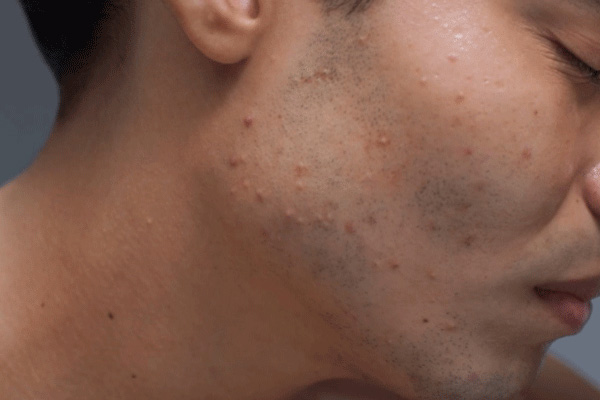
Signs Your Acne Routine Is Too Harsh


4
Many people assume acne treatments must cause dryness or burning to work. In reality, these sensations often signal barrier stress rather than effectiveness.
Your routine may be too aggressive if you notice:
Persistent Redness
Skin that remains red long after cleansing or treatment may be inflamed.
Stinging With Basic Products
If even moisturizer causes burning, the barrier is likely compromised.
Flaky Yet Oily Skin
This paradox is common in barrier damage. Skin feels dry on the surface but produces excess oil underneath.
Breakouts That Spread
Irritation can cause new breakouts around previously clear areas.
When these signs appear, the most effective step is not stronger treatments—but restoring balance.
The Barrier-Friendly Acne Routine
A modern acne routine focuses on gentle consistency rather than aggressive correction.
Below is the framework dermatologists commonly recommend.
Step 1: Gentle Cleansing
Cleansing should remove excess oil, sunscreen, and pollution without disrupting lipids.
Look for cleansers that are:
Low-foam or cream-based
pH-balanced
Sulfate-free
Cleansing twice daily is typically sufficient.
Overwashing—especially with hot water—can strip protective lipids and worsen inflammation.
Step 2: Targeted Acne Treatment
Acne treatments work best when used strategically rather than excessively.
Barrier-friendly options include:
Azelaic acid
Reduces inflammation, unclogs pores, and helps fade post-acne marks.
Salicylic acid (low strength)
Penetrates pores and dissolves excess oil while remaining relatively gentle.
Retinoids (gradual introduction)
Normalize cell turnover and prevent clogged pores.
Sulfur treatments
Help reduce bacteria and excess oil without extreme dryness.
Many dermatologists recommend alternating actives instead of layering multiple ones at once.
This reduces irritation while maintaining effectiveness.
Step 3: Hydration and Barrier Repair
Hydration is essential—even for acne-prone skin.
Modern acne care emphasizes lightweight moisturizers that replenish barrier lipids without clogging pores.
Key ingredients to look for include:
Ceramides
Glycerin
Squalane
Panthenol
Hyaluronic acid
These ingredients restore moisture balance and reduce irritation triggered by acne treatments.
Step 4: Daily Sun Protection
Sun protection is often overlooked in acne routines.
However, UV exposure worsens:
inflammation
hyperpigmentation
skin barrier damage
Daily sunscreen also helps prevent post-acne marks from becoming darker and longer-lasting.
Modern sunscreens designed for acne-prone skin are typically:
lightweight
non-comedogenic
gel or fluid based
The Role of the Skin Microbiome



4
An emerging area of research in acne treatment involves the skin microbiome.
Your skin hosts billions of microorganisms that help regulate immunity and inflammation.
When the barrier becomes damaged, this ecosystem can become imbalanced—allowing acne-causing bacteria to dominate.
Gentler skincare routines support microbial balance by:
reducing inflammation
maintaining proper pH
preserving beneficial microbes
This is why modern acne products increasingly include microbiome-supportive ingredients, such as prebiotics and fermented extracts.
These ingredients help create a healthier environment for skin recovery. 🔬
Why Moisturizing Acne-Prone Skin Is Essential
One of the biggest myths in acne care is that moisturizers cause breakouts.
In reality, dehydrated skin often produces more oil, which increases the likelihood of clogged pores.
Moisturizing offers several acne-related benefits:
reduces irritation from treatments
improves barrier function
balances oil production
supports faster healing
The key is choosing formulas designed for acne-prone skin.
Look for labels such as:
oil-free
non-comedogenic
lightweight gel or lotion texture
These formulations hydrate without creating heavy residue.
How to Repair a Damaged Barrier
If your skin barrier is already compromised, recovery may require simplifying your routine temporarily.
Dermatologists often recommend a “barrier reset” approach:
Pause strong exfoliants
Use a gentle cleanser
Apply a barrier-repair moisturizer
Wear sunscreen daily
Within one to two weeks, skin often becomes noticeably calmer and more resilient.
Once the barrier stabilizes, acne treatments can be gradually reintroduced.
The Future of Acne Care
Acne treatment is evolving toward a more holistic understanding of skin health.
Instead of viewing acne as a problem to “burn away,” modern skincare focuses on supporting the skin’s natural systems.
Emerging innovations include:
barrier-supportive retinoid formulations
microbiome-targeting treatments
encapsulated actives that reduce irritation
regenerative skincare ingredients
These approaches reflect a broader shift in beauty science toward skin longevity and resilience. 🧬
The goal is no longer just clear skin—but healthy skin that stays balanced long-term.
Key Takeaways
Treating acne effectively no longer requires aggressive, drying routines.
The most effective strategies combine targeted treatments with barrier protection.
Remember these principles:
Over-stripping often worsens acne
A healthy barrier reduces inflammation and breakouts
Gentle actives work better than harsh combinations
Moisturizing acne-prone skin is essential
Consistency matters more than intensity
By respecting the skin barrier, it becomes possible to clear acne without sacrificing comfort or long-term skin health. ✨
