Simple Grooming Habits That Make Life Easier for Pet Owners


Simple Grooming Habits That Make Life Easier for Pet Owners
Living with a pet is one of life’s quiet luxuries. The warm greeting at the door, the comforting presence during slow evenings, the playful energy that fills a home — pets bring a rhythm of companionship that few things can replace. Yet alongside that joy comes responsibility, and grooming sits at the center of a pet’s everyday well-being.
For many pet owners, grooming sounds like a task reserved for professional salons. In reality, the most effective grooming habits are simple, consistent rituals practiced at home. When done regularly, they reduce shedding, minimize odors, prevent health issues, and make life noticeably easier for both pets and their owners.
The secret lies not in complicated routines but in small habits repeated with care. A few minutes of brushing here, a quick paw wipe there, a gentle bath when needed — these small acts create a cleaner home and a healthier animal.
In this guide, we explore the grooming habits that experienced pet owners rely on daily — practical practices that keep pets looking beautiful and homes feeling fresh.
(This article follows premium editorial and structural guidelines for SEO blog content.)
SEO-optimized blog posts (1)
Why Consistent Grooming Matters More Than Occasional Grooming
Many owners believe grooming only becomes necessary when a pet begins to look messy. By that stage, mats may already be forming, oils may be building up on the coat, and dirt may be trapped in fur or paws.
Consistent grooming prevents these problems before they appear.
Regular brushing distributes natural oils through the coat, keeping fur glossy and skin hydrated. It removes loose hair before it spreads across furniture. It also provides an opportunity to check for early signs of skin irritation, parasites, or small injuries that might otherwise go unnoticed.
Just as importantly, grooming strengthens the bond between pets and their owners. When done gently and regularly, grooming becomes a calm, reassuring experience that animals learn to enjoy.
Over time, this routine becomes less of a chore and more of a daily ritual.
Habit 1: Daily Brushing to Control Shedding


4
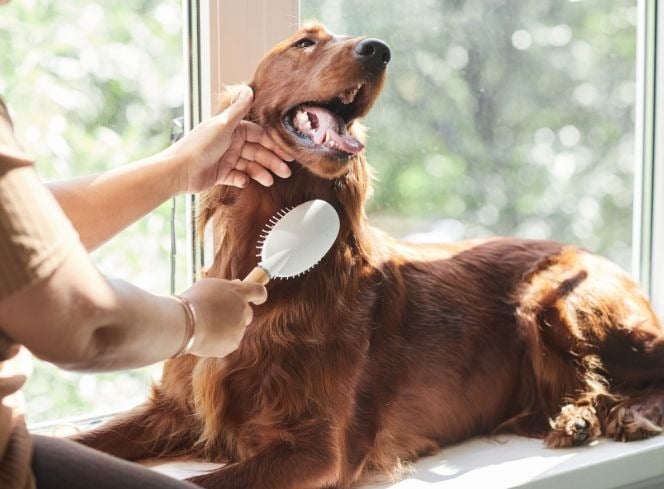
One of the simplest habits with the biggest impact is brushing your pet’s coat every day.
Loose fur is the main reason homes with pets accumulate hair on floors, sofas, and clothing. A quick brushing session removes most of that hair before it has a chance to spread throughout the house.
Different coat types require different brushes, but the principle remains the same: gentle, consistent grooming keeps the coat healthy and reduces shedding dramatically.
Daily brushing also helps prevent matting. Long-haired breeds especially benefit from this habit, as tangles can quickly become painful mats that require cutting or professional grooming.
Even short-haired pets benefit from brushing. It stimulates the skin, spreads natural oils, and keeps coats looking sleek and vibrant.
For many pets, brushing becomes a calming experience — similar to a massage — making it an easy habit to maintain.
Habit 2: Cleaning Paws Before Entering the House
Few grooming habits protect the cleanliness of a home more effectively than wiping a pet’s paws after outdoor walks.
Paws carry everything from dust and mud to pollen and bacteria. Without cleaning, those elements spread across floors and carpets.
A small towel or pet-safe wipe near the entrance can make a significant difference. With just a few gentle wipes, owners can remove most outdoor debris before it enters the home.
This habit also protects pets themselves. Tiny pebbles, road salt, or debris can become trapped between paw pads, causing irritation if left unnoticed.
By making paw cleaning part of the routine after every walk, owners maintain both home hygiene and paw health.
Habit 3: Regular Ear Checks and Cleaning
Ears are often overlooked in home grooming routines, yet they play an essential role in a pet’s comfort and health.
Dogs and cats with floppy ears or dense fur around the ear canal are particularly prone to wax buildup and trapped moisture. When ignored, this can lead to infections that require veterinary treatment.
Weekly ear checks are usually enough to catch early signs of irritation. Owners should look for redness, unusual odors, or excessive wax buildup.
Using a gentle pet-safe ear cleaning solution and cotton pads can help remove debris safely. However, cleaning should always be gentle — pushing too deeply into the ear canal can cause injury.
Regular attention to ear health keeps pets comfortable and prevents problems that are far more difficult to treat later.
Habit 4: Maintaining Nail Length
Nail care is one of the most overlooked aspects of grooming, yet it dramatically affects a pet’s mobility and comfort.
When nails grow too long, they alter how pets walk. Over time, this can lead to joint stress and posture problems. Long nails are also more likely to snag on carpets or break painfully.
Trimming nails every three to four weeks keeps them at a healthy length.
For pets sensitive to nail trimming, gradual introduction helps. Handling paws frequently, rewarding calm behavior, and trimming just one or two nails at a time can make the process far less stressful.
Consistent nail maintenance prevents discomfort while protecting floors and furniture from scratches.
Habit 5: Bathing Only When Necessary


4
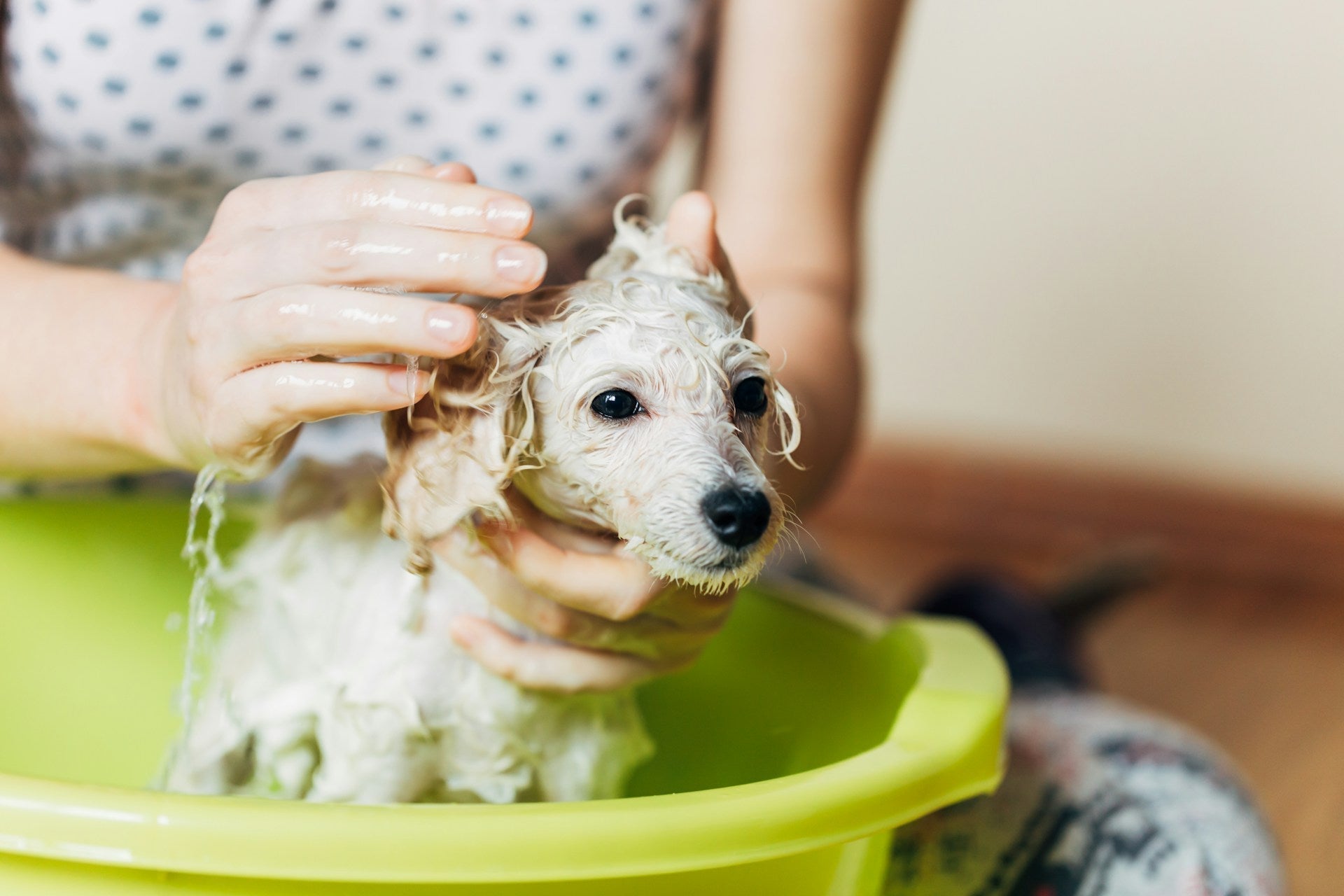
Bathing is often misunderstood in pet grooming routines. Many owners assume frequent baths are necessary, yet over-bathing can actually damage a pet’s skin.
Pets produce natural oils that protect their coat and skin barrier. Excessive washing strips away these oils, leading to dryness, irritation, and dull fur.
For most dogs, bathing once every four to six weeks is sufficient unless they become unusually dirty.
Using a gentle pet-specific shampoo helps preserve skin health while removing dirt and odor. Thorough rinsing is equally important, as leftover shampoo residue can cause itching.
Between baths, brushing and spot-cleaning usually keep pets fresh and comfortable.
Habit 6: Managing Shedding With Seasonal Grooming
Many pets shed more during seasonal transitions, particularly in spring and fall. During these periods, their coats naturally adjust to temperature changes.
Owners who increase brushing frequency during shedding seasons often notice dramatic improvements in household cleanliness.
Specialized de-shedding tools can remove loose undercoat hair efficiently without damaging the outer coat.
Rather than fighting shedding after it spreads through the house, proactive grooming during seasonal changes keeps fur under control.
Habit 7: Creating a Dedicated Grooming Space
A small, consistent grooming area can transform how easily grooming fits into daily life.
This space doesn’t need to be elaborate. A corner with a grooming brush, towel, nail clipper, and wipes is often enough.
Keeping grooming tools accessible encourages owners to groom pets regularly instead of postponing the task.
Pets also benefit from consistency. When grooming happens in the same place each time, animals learn what to expect and often become calmer during the process.
This simple organizational habit turns grooming into a seamless part of daily life.
Habit 8: Watching for Skin and Coat Changes
Grooming time offers more than cosmetic benefits. It allows owners to observe subtle changes in their pet’s health.
While brushing or bathing, owners should look for:
Dry or flaky skin
Bald patches
Unusual lumps or bumps
Redness or irritation
Early detection often prevents small issues from becoming serious health problems.
Because pets cannot easily communicate discomfort, grooming becomes an important moment of observation.
Habit 9: Keeping Grooming Positive
The emotional experience of grooming matters as much as the physical process.
Pets that associate grooming with stress may resist brushing, bathing, or nail trimming. Creating a calm environment makes a significant difference.
Speaking softly, offering treats, and taking breaks when needed helps pets remain relaxed.
Short sessions performed regularly are far more effective than long, stressful grooming sessions done infrequently.
Over time, grooming becomes a familiar and comforting routine.
The Long-Term Benefits of Simple Grooming Habits
The beauty of simple grooming routines lies in their long-term impact.
Owners who adopt these habits often notice several improvements:
Cleaner homes with less pet hair
Healthier coats and skin
Fewer vet visits for preventable issues
Calmer, more cooperative pets
Stronger bonds between owner and animal
Rather than viewing grooming as an occasional task, experienced pet owners see it as part of everyday care — a quiet practice that enhances both pet health and household comfort.
A Gentle Routine That Benefits Everyone
In the end, grooming is not about perfection. Pets will still roll in grass, explore muddy paths, and bring a little outdoor adventure back inside.
But with a few simple habits — brushing regularly, cleaning paws, trimming nails, and bathing thoughtfully — pet ownership becomes easier and more enjoyable.
These small routines protect a pet’s health, preserve the cleanliness of the home, and deepen the connection between humans and their animals.
And perhaps most importantly, they transform grooming from a chore into something far more meaningful: a moment of care shared between a pet and the person who loves them.
