Makeup Brush Cleaning Guide: The Fast Method + The Deep-Clean Method
Makeup Brush Cleaning Guide: The Fast Method + The Deep-Clean Method
Makeup brushes are the quiet heroes of every beauty routine. They blend foundation seamlessly, soften blush into the skin, and create those delicate eyeshadow transitions that make a look feel polished. Yet despite how essential they are, brush care is one of the most overlooked steps in beauty routines.
Dirty brushes collect oil, leftover pigment, skincare residue, and bacteria over time. This buildup doesn’t just affect makeup performance—it can also lead to breakouts, dull-looking skin, and patchy application. Clean brushes, on the other hand, deliver smoother blending, better color payoff, and healthier skin.
The good news is that keeping brushes clean does not have to be complicated or time-consuming. With the right approach, you can maintain brush hygiene in minutes and occasionally perform a deeper cleanse to restore them completely. 💎
This guide breaks down two essential methods every beauty lover should know: a fast daily cleaning technique and a proper deep-clean routine.
Why Cleaning Your Makeup Brushes Matters
Before diving into the methods, it helps to understand why brush hygiene is so important.
Bacteria and Skin Health
Every time a brush touches your skin, it picks up oils, dead skin cells, and microscopic bacteria. Over days or weeks, this buildup becomes a breeding ground for microbes. When the brush touches your face again, those microbes return to the skin.
This cycle can contribute to:
Acne breakouts
Skin irritation
Clogged pores
Redness or inflammation
Better Makeup Performance
Dirty brushes don’t perform well. Old pigment and oils cling to the bristles, making blending uneven. Foundation brushes may create streaks, while eyeshadow brushes can muddy colors.
Clean brushes restore the true color payoff and softness of the bristles, which makes makeup look more refined and professional.
Longer Brush Lifespan
Quality brushes are an investment. Proper cleaning removes damaging buildup that can break down natural or synthetic fibers over time.
With consistent care, good brushes can last many years without losing their shape or softness. 🌿
The Fast Method: Daily or Between-Use Cleaning

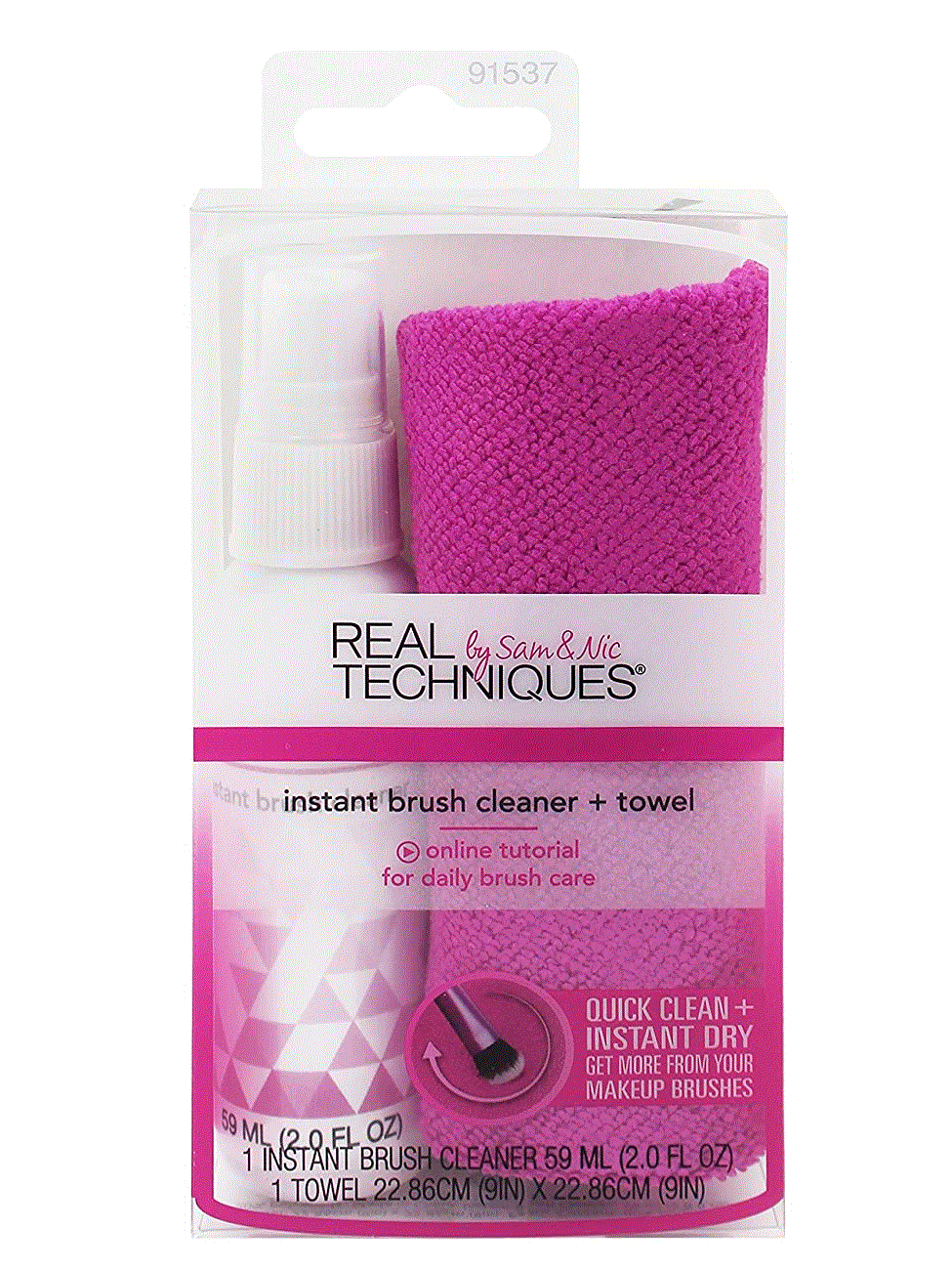

The fast cleaning method is designed for speed and convenience. It’s perfect when switching colors, refreshing brushes after a makeup session, or maintaining hygiene during busy weeks.
This method takes less than two minutes and requires minimal supplies.
What You Need
Brush cleaning spray or alcohol-based brush cleanser
A clean towel or microfiber cloth
Tissue or paper towel (optional)
Brush cleansing sprays are specifically designed to dissolve makeup residue quickly while evaporating fast so brushes dry almost instantly.
Step-by-Step Fast Cleaning Method
1. Spray the Brush Lightly
Hold the brush slightly away from your face and spray the cleanser onto the bristles. Avoid soaking the brush completely.
A few light spritzes are enough to dissolve leftover pigment and oils.
2. Swipe on a Clean Cloth
Gently swirl the brush across a clean towel or cloth. You’ll see makeup residue transfer onto the fabric.
Continue wiping until the brush stops releasing color.
3. Let the Brush Air Dry
Most brush sprays evaporate quickly. Allow the brush to sit for about 30–60 seconds before using it again.
After drying, the brush is ready for your next product.
When to Use the Fast Method
This method works best:
Between eyeshadow colors
After applying cream products
At the end of a daily makeup routine
During travel
However, while quick cleaning helps maintain hygiene, it does not replace deep cleaning.
Over time, oils and product buildup still accumulate near the base of the bristles, which requires a more thorough wash.
The Deep-Clean Method: Weekly or Biweekly Washing


4
A deep clean removes stubborn buildup that the fast method cannot fully eliminate. This process thoroughly washes the brush fibers while maintaining their softness and structure.
Most makeup artists recommend deep cleaning once per week, especially for brushes used with liquid or cream products.
What You Need
Gentle soap or brush cleanser
Lukewarm water
Silicone cleaning mat or textured surface
Clean towel
Avoid harsh detergents or very hot water. These can weaken glue inside the brush ferrule and damage the bristles.
Step-by-Step Deep-Clean Method
1. Wet Only the Bristles
Hold the brush with the bristles facing downward under lukewarm water.
This direction is important. Water should not enter the ferrule (the metal part connecting bristles to the handle). Excess moisture there can loosen the glue and cause shedding.
2. Apply Cleanser
Add a small amount of gentle soap to the bristles or directly onto a cleaning mat.
Swirl the brush in circular motions to create a light lather.
3. Massage Out Product Buildup
Gently move the brush across the textured surface or into the palm of your hand. This helps release trapped foundation, powder, or pigment.
You’ll notice the water turning tinted as residue washes away.
4. Rinse Thoroughly
Rinse the brush under running water until the water runs completely clear.
Make sure all soap is removed because leftover cleanser can stiffen bristles once dry.
5. Reshape the Brush
Use your fingers to restore the natural shape of the brush head.
This step keeps blending brushes fluffy and angled brushes properly defined.
6. Dry the Brush Correctly
Lay the brush flat on a towel or with the bristles slightly hanging off the edge of a surface.
Avoid drying brushes upright in a cup while wet. Water may travel down into the ferrule and weaken the adhesive.
Most brushes require 6–12 hours to fully dry.
How Often Should You Clean Different Brushes?
Different brushes accumulate product at different rates. A simple schedule helps maintain both hygiene and performance.
Foundation Brushes
Clean every few days or weekly. Liquid formulas trap bacteria quickly.
Concealer Brushes
Wash once per week to prevent product buildup.
Powder Brushes
Clean every 1–2 weeks, since powders carry less moisture.
Eyeshadow Brushes
Quick clean after use and deep clean weekly.
Lip Brushes
Wash after each use to avoid bacterial transfer.
Following this rhythm keeps brushes consistently fresh without becoming a time-consuming chore. 💡
Common Brush Cleaning Mistakes
Even people who regularly wash their brushes sometimes make small mistakes that reduce their lifespan.
Using Very Hot Water
High temperatures can loosen the glue that holds brush fibers together. Always choose lukewarm water instead.
Soaking Brushes Fully
Submerging brushes in water may seem convenient, but it allows moisture to seep into the ferrule and handle.
This can cause shedding and structural damage.
Drying Brushes Upright
If brushes dry vertically with wet bristles pointing upward, water travels downward and loosens the internal glue.
Always dry them flat or angled downward.
Overusing Harsh Cleansers
Strong shampoos or dish detergents can strip natural brush fibers and make them brittle over time.
Gentle soap is always safer.
Natural vs Synthetic Brushes: Cleaning Differences
Understanding your brush material can help you care for it properly.
Natural Hair Brushes
Natural brushes are typically made from animal hair and are known for their softness and ability to pick up powder.
They benefit from extra gentle cleansers similar to mild hair shampoo.
Conditioning them occasionally can also help maintain softness.
Synthetic Brushes
Synthetic fibers are more durable and ideal for cream or liquid products.
They tolerate slightly stronger cleansers and dry faster than natural brushes.
Most modern makeup brushes today are synthetic due to their durability and cruelty-free appeal. 🌍
Signs Your Brushes Need Cleaning
Sometimes your brushes will tell you when they need attention.
Look for these clues:
Makeup stops blending smoothly
Colors appear muddy instead of vibrant
Bristles feel stiff or sticky
The brush smells unusual
Skin irritation appears after makeup
If you notice any of these signs, it’s time for a deep cleanse.
Building a Simple Brush Cleaning Routine
Maintaining brush hygiene becomes easy when it’s built into your routine.
A balanced approach might look like this:
Daily: Quick cleaning spray after use
Weekly: Deep wash session for frequently used brushes
Monthly: Full brush collection deep clean
Some beauty lovers even turn brush cleaning into a relaxing ritual—pairing it with skincare night or a self-care routine. ✨
The Skin Benefits of Clean Brushes
Consistently clean brushes can improve more than just makeup application.
You may notice:
Fewer breakouts
Less redness
More even foundation application
Better color clarity in eyeshadow
Clean tools ensure that skincare and makeup perform the way they were designed to.
Healthy skin and flawless makeup often start with something as simple as clean brushes. 🔬
Final Thoughts
Makeup brushes play a major role in how products perform on the skin, yet they are often neglected in beauty routines. Incorporating both the fast cleaning method and the deep-clean method ensures that brushes remain hygienic, soft, and effective.
The fast method keeps brushes usable and fresh throughout the week, while the deep-clean routine removes stubborn buildup and bacteria.
Together, these two techniques create a balanced system that protects your skin, preserves your brushes, and improves every makeup look you create.
Beautiful makeup begins with great tools—and great tools deserve proper care. 💎
