Azelaic Acid in 2026: The Quiet Powerhouse Ingredient ✨
Azelaic Acid in 2026: The Quiet Powerhouse Ingredient ✨
Alt text
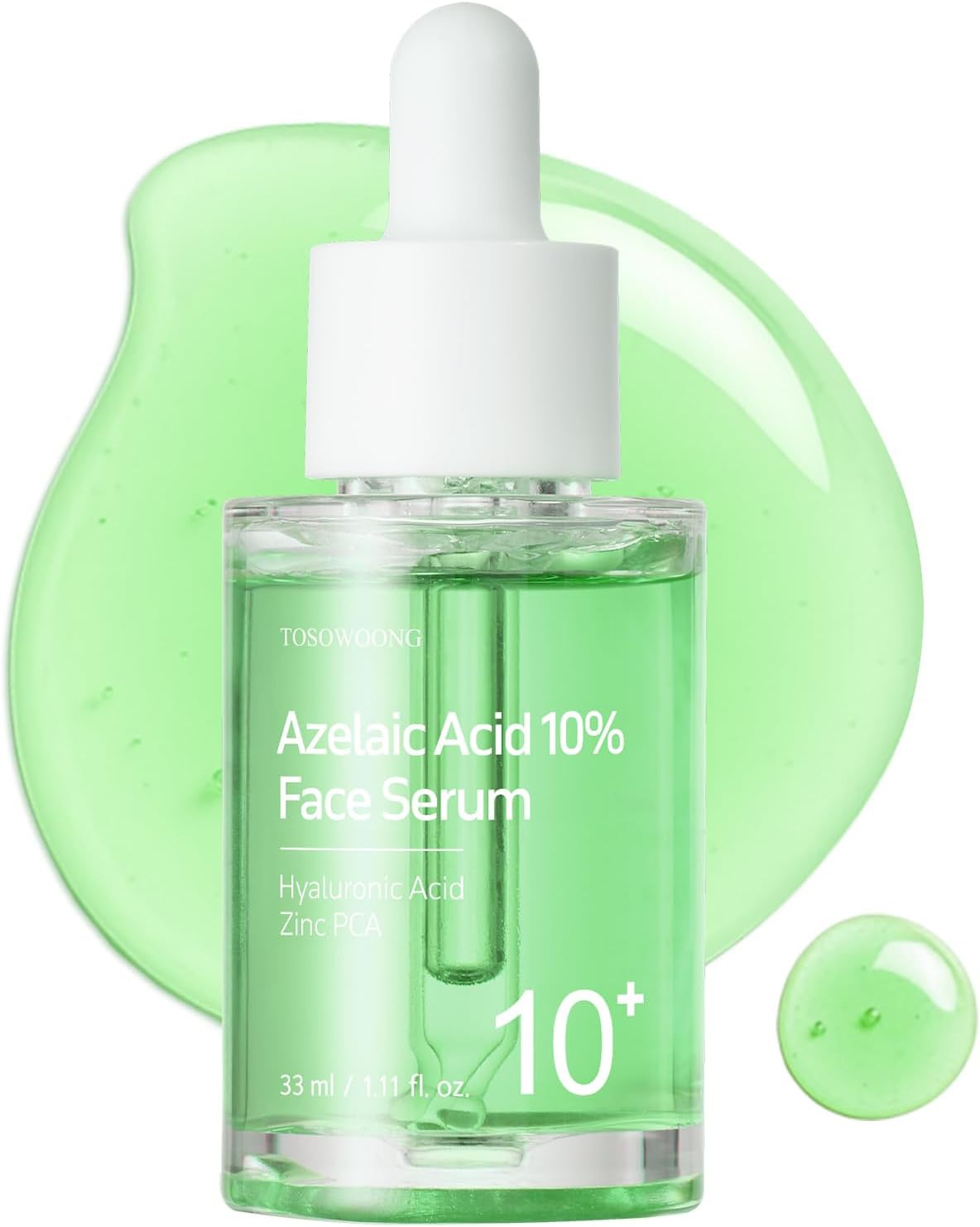
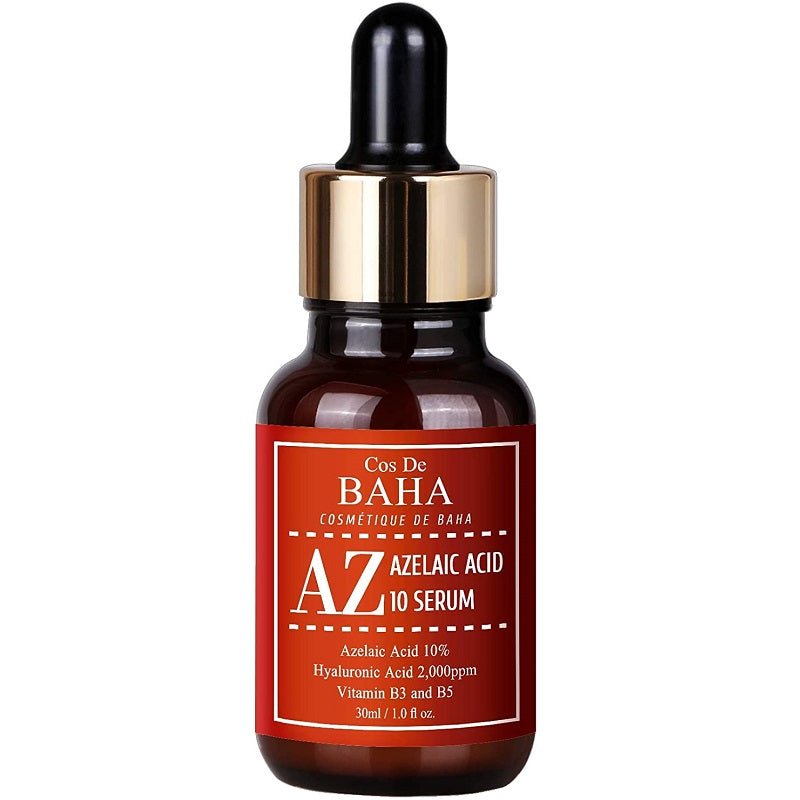
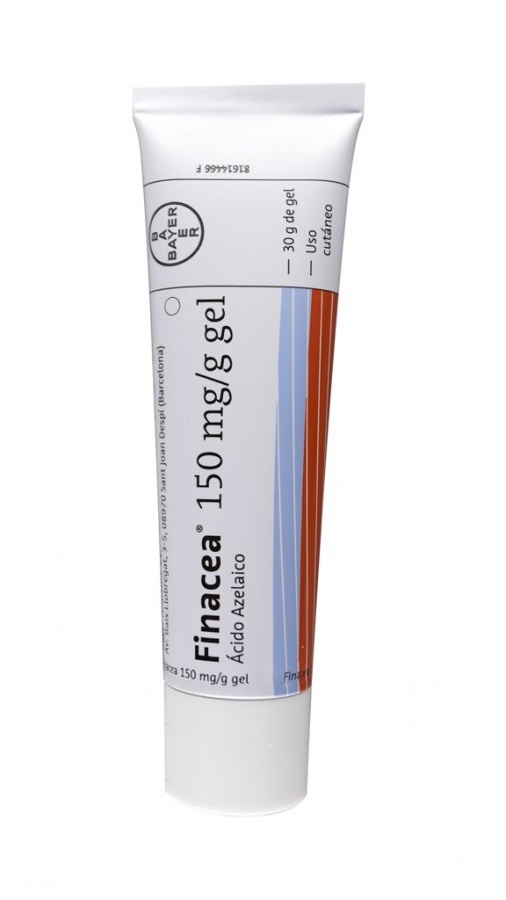
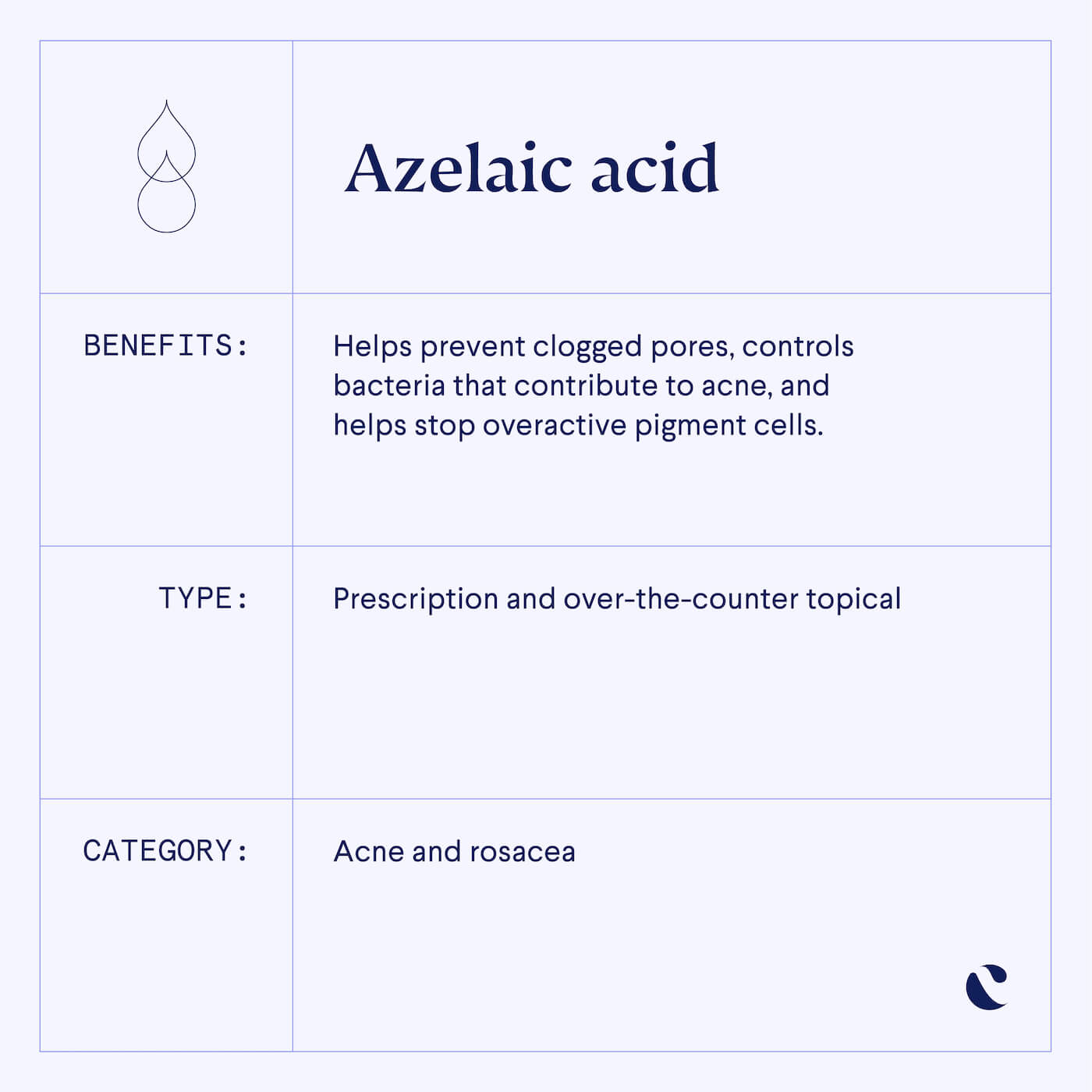
Azelaic acid skincare visuals: OTC 10% serums, prescription-style 15% gel, and an infographic summarizing benefits for acne, redness, and uneven tone.
Caption
Azelaic acid is the quiet powerhouse of 2026—multi-tasking across breakouts, redness, and post-acne marks while staying barrier-friendly.
Azelaic acid doesn’t behave like a trend ingredient. It doesn’t arrive with a dramatic “purge story,” it doesn’t demand a complicated routine, and it rarely turns skincare into a daily negotiation with irritation. And yet, in 2026, it’s exactly the kind of active ingredient people are reaching for—because the definition of “results” has changed.
The past few years taught skincare an expensive lesson: when routines become too aggressive, the skin doesn’t look better—it looks stressed. Redness becomes more visible, texture becomes inconsistent, and sensitivity creeps in like a permanent background noise. The industry’s newest premium language is no longer “stronger.” It’s smarter—ingredients that do multiple jobs while keeping the barrier calm enough for long-term consistency.
That is azelaic acid’s advantage. It’s one of the rare actives that can be both corrective and calming: supportive for acne, genuinely relevant for rosacea-prone redness, and useful for fading the marks acne leaves behind. Dermatology guidance includes topical azelaic acid as a recommended option for acne management, which is one reason it keeps returning as a clinical staple even as consumer trends come and go. (jaad.org)
In 2026, the ingredient feels “new” again not because it changed—but because skincare culture did. We’re in the era of wearable routines: fewer steps, calmer skin, consistent use. Azelaic acid fits that philosophy so well it almost feels like it was designed for it.
What azelaic acid actually is 🔬
Azelaic acid is a dicarboxylic acid used topically in skincare and dermatology. It can be derived from grains or produced synthetically for consistent formulation. In consumer skincare, it’s most commonly seen around 10% in serums or creams. In prescription settings, it’s typically found at 15% (gel/foam) or 20% (cream), depending on region and product.
A key anchor here is the FDA labeling for Finacea Gel 15%: it’s indicated for topical treatment of inflammatory papules and pustules of mild to moderate rosacea. That single line tells you a lot: azelaic acid isn’t “just cosmetic”—it has a real medical track record in inflammatory skin concerns. (accessdata.fda.gov)
The strength matters, but so does the vehicle. A lightweight serum can feel elegant and easy for daily use; a gel can feel more “treatment-like” and sometimes slightly drying. This is why two people can say they used azelaic acid and had completely different experiences: they didn’t use the same concentration or format.
Why azelaic acid is the “quiet luxury” active of 2026 💎
Luxury skincare in 2026 looks less like maximalist layering and more like stability:
fewer flare-ups
less background redness
fewer new breakouts
marks that fade without fighting the barrier
Azelaic acid can support all of these because it’s multi-benefit without needing to be harsh. Acne guidelines from the American Academy of Dermatology (JAAD guideline paper) make a conditional recommendation for topical azelaic acid for acne based on evidence from randomized controlled trials. (jaad.org)
That doesn’t mean it’s a miracle cure. It means it’s one of the ingredients dermatology consistently returns to when the goal is real-world improvement with better tolerability.
What azelaic acid does best (the real triple-threat) 🧬
1) Acne support, especially when skin is sensitive
Azelaic acid is valued in acne routines because it can target multiple acne-adjacent issues: congestion, inflammation, and the “after-effects” like discoloration. It’s not positioned as the most aggressive acne weapon—it’s the consistent one. Acne care works best when you can actually stay on the routine.
2) Redness-prone skin and rosacea-like flare patterns
Azelaic acid has specific relevance in papulopustular rosacea (redness with inflammatory bumps). The Finacea 15% label highlights its approved use for inflammatory papules and pustules in rosacea, which is one reason “redness relief” azelaic formulas became so popular in consumer lines. (accessdata.fda.gov)
3) Post-acne marks and uneven tone (PIH)
If you break out and then spend months dealing with dark marks, azelaic acid is often a smart choice. A classic dermatology review on postinflammatory hyperpigmentation lists azelaic acid among topical tyrosinase inhibitors that can lighten hypermelanosis, and it emphasizes that photoprotection (sunscreen) is foundational in PIH management. (pmc.ncbi.nlm.nih.gov)
This is why azelaic acid feels like a shortcut: it addresses the breakout and the mark it leaves behind—two problems that usually require separate product categories.
How to use azelaic acid in 2026 (simple, no stress) ✨
The best azelaic routine is the one you can repeat. Keep it clean:
Cleanse → Azelaic acid → Moisturizer → (AM) Sunscreen
That’s it.
Frequency (start smart)
If you’re new/sensitive: 2–3 nights per week for 1–2 weeks
Then: every other night
Then: daily if your skin stays calm
If you start daily immediately and your skin gets dry or stingy, that doesn’t mean azelaic acid “isn’t for you.” It usually means the ramp was too fast.
The sunscreen rule (especially for marks)
If PIH and uneven tone are part of your goal, sunscreen is non-negotiable. PIH management guidance repeatedly emphasizes photoprotection alongside topical brightening agents like azelaic acid. (pmc.ncbi.nlm.nih.gov)
Pairing azelaic acid with other actives (the calm method) 🌿
Azelaic acid is usually easy to fit into routines—but “compatible” doesn’t always mean “stack everything at once.” In 2026, the best routines use separation to protect the barrier.
Azelaic acid + niacinamide
A calm pairing for redness + tone + barrier support. Very wearable.
Azelaic acid + retinoid
If your skin is sensitive: alternate nights
Night 1: retinoid → moisturizer
Night 2: azelaic acid → moisturizer
Azelaic acid + AHA/BHA
Keep exfoliation occasional (1–3x/week depending on tolerance). Let azelaic do the steady daily work.
Azelaic acid + vitamin C
Many people do: vitamin C (AM) + azelaic (PM). Introduce slowly if reactive.
What results to expect (real timeline) 💡
Azelaic acid is a “quiet progress” ingredient. You usually don’t wake up transformed—but you notice the baseline becoming smoother and calmer.
A realistic rhythm:
Weeks 1–2: skin feels calmer; fewer inflamed moments
Weeks 4–8: fewer new breakouts; redness looks less obvious; marks begin fading
Weeks 8–12: more even tone and stable texture
This matches how topical acne therapies are evaluated: over weeks to months, not days. (jaad.org)
Common mistakes (and quick fixes) ⚠️
Mistake 1: Using too much
Fix: thin layer. More product isn’t “more results.”
Mistake 2: Starting daily immediately
Fix: ramp up. Consistency beats intensity.
Mistake 3: Treating marks without sunscreen
Fix: SPF daily. PIH management starts with photoprotection. (pmc.ncbi.nlm.nih.gov)
Conclusion ✨
Azelaic acid is the quiet powerhouse of 2026 because it matches what modern skincare actually needs: multi-benefit correction without barrier chaos. It appears in acne management guidelines, it has clear clinical relevance in rosacea-related inflammatory bumps at prescription strengths, and it’s cited in pigment/PIH discussions as a useful topical option—especially alongside sunscreen. (jaad.org)
It doesn’t ask your skin to suffer to prove it’s working.
It just works—quietly, steadily, and in a way that looks like health. 💎
