The 7 Hair Care Habits That Transform Your Hair
The 7 Hair Care Habits That Transform Your Hair
Healthy, beautiful hair rarely happens by accident. Behind every glossy, strong, effortlessly styled head of hair is a consistent routine built on smart habits. While products can help, it’s the daily practices you follow that truly determine the long-term health of your hair.
Modern hair care has evolved dramatically in recent years. Experts now focus less on quick fixes and more on sustainable habits that protect the hair structure, support scalp health, and prevent damage before it begins. From how you wash your hair to how you sleep at night, every small decision contributes to the overall strength, shine, and resilience of your strands.
If your hair feels dull, brittle, or difficult to manage, it may not be your genetics or products—it could simply be a few habits that need adjusting. The good news is that transforming your hair doesn’t require complicated routines or dozens of products. Often, just a few consistent changes can make an extraordinary difference over time.
Here are the seven hair care habits that can completely transform your hair. ✨
1. Prioritize Scalp Health

4
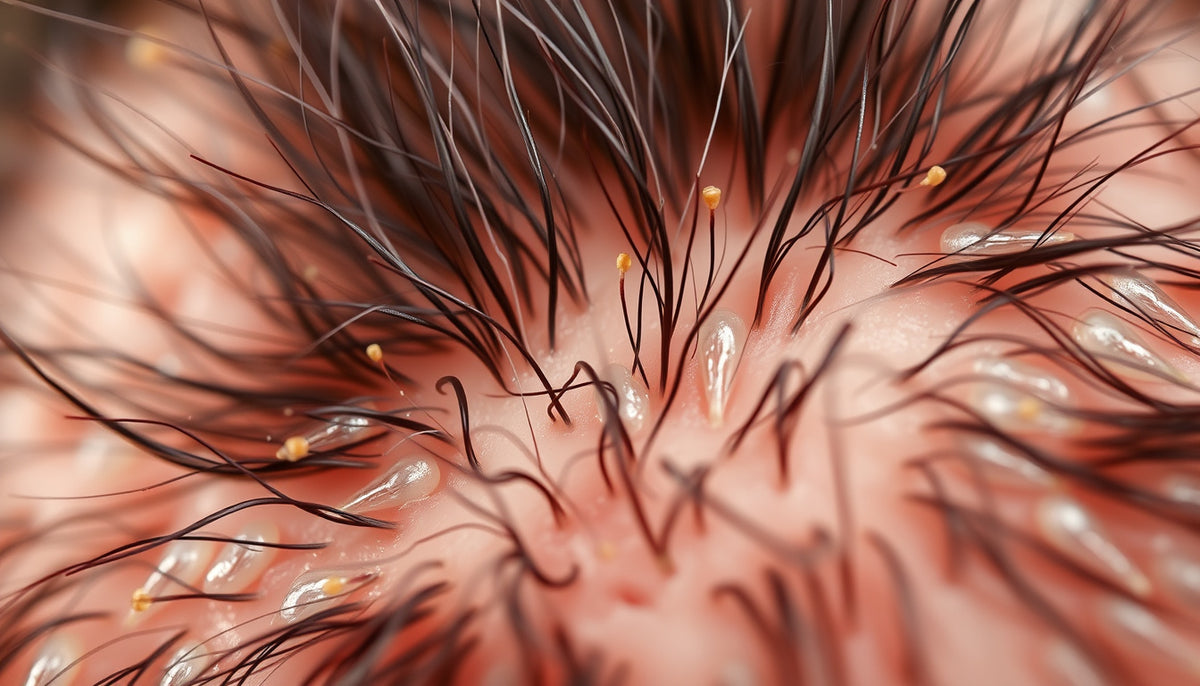
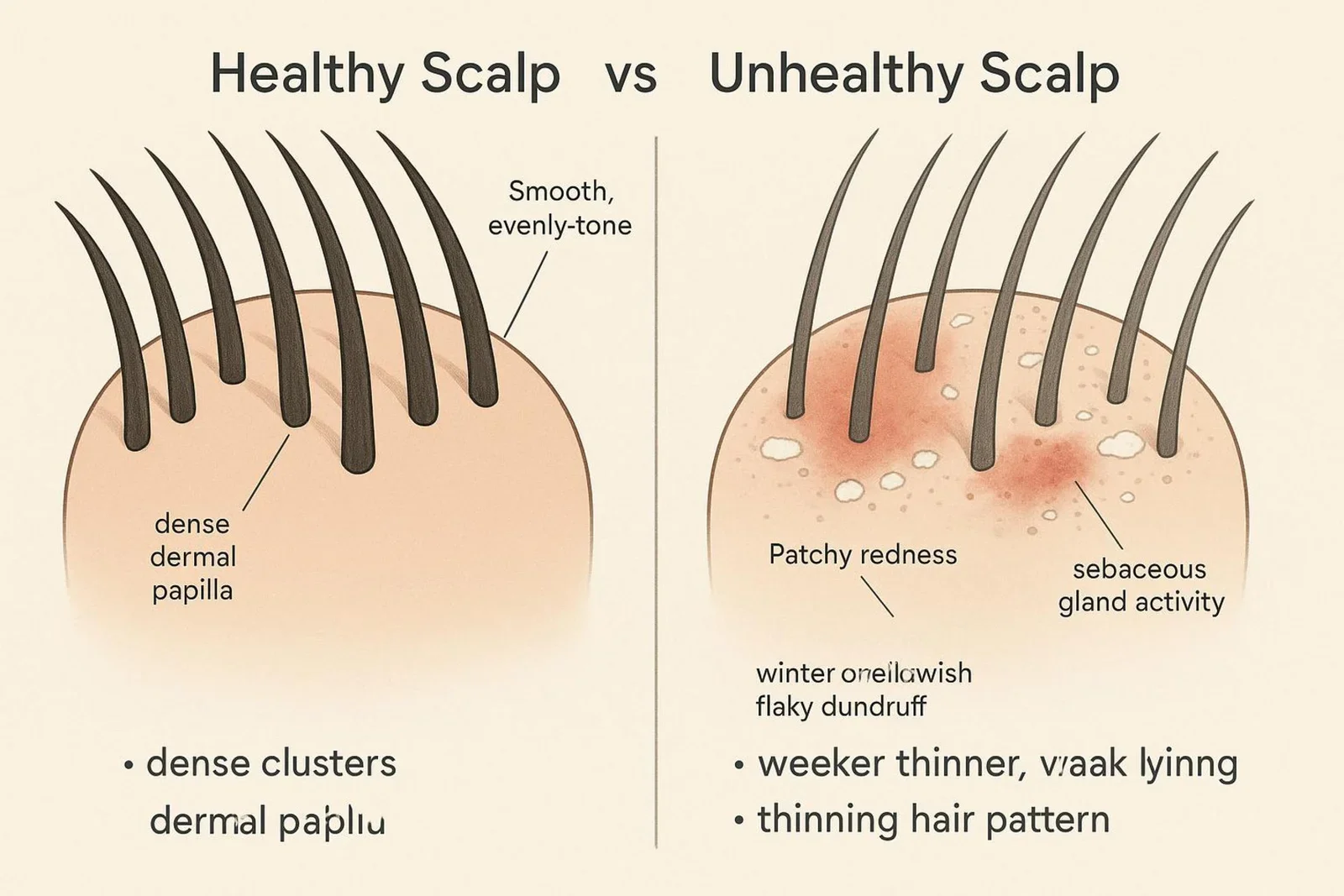
The true foundation of beautiful hair is a healthy scalp. Just as fertile soil produces stronger plants, a balanced scalp environment allows hair follicles to grow stronger, thicker strands.
Unfortunately, scalp care is often overlooked. Many people focus entirely on conditioners and styling products, ignoring the health of the skin where hair actually grows. Over time, product buildup, excess oil, environmental pollutants, and dead skin cells can clog follicles and weaken hair growth.
Developing a scalp-focused routine can dramatically improve hair vitality. Gentle scalp massages during shampooing help increase blood circulation to the follicles, delivering oxygen and nutrients that support growth. Regular exfoliation—using a mild scalp scrub or chemical exfoliant—removes buildup that can suffocate hair roots.
Hydration is equally important. A dry, irritated scalp often leads to flakes, inflammation, and fragile hair strands. Lightweight scalp serums and oils can restore balance and comfort without making hair greasy.
When your scalp is healthy, hair naturally grows stronger, shinier, and more resilient.
2. Wash Your Hair Strategically (Not Just Frequently)


4
One of the most debated topics in hair care is how often you should wash your hair. The truth is that there is no universal answer. The ideal washing frequency depends on your hair type, lifestyle, and scalp condition.
However, what matters more than frequency is strategy.
Many people apply shampoo across the entire length of their hair, which can strip moisture and cause dryness. Hair professionals recommend concentrating shampoo primarily on the scalp, where oil and buildup accumulate. As you rinse, the shampoo naturally cleans the lengths without excessive drying.
Equally important is choosing the right shampoo formula. Sulfate-heavy formulas can sometimes remove too much natural oil, especially for people with dry or textured hair. Hydrating or gentle cleansers tend to maintain better balance.
Water temperature also plays a role. Washing with extremely hot water can weaken the hair cuticle and increase frizz. Lukewarm water helps maintain smoothness and shine.
When done correctly, washing your hair becomes a restorative step rather than a damaging one.
3. Treat Conditioning as Essential, Not Optional


4
Conditioner is often treated as a secondary step, yet it plays one of the most important roles in maintaining hair health.
Every time hair is washed, the outer layer of the hair strand—known as the cuticle—opens slightly. Conditioner helps reseal this cuticle, locking in moisture and smoothing the hair’s surface. This process reduces frizz, prevents tangling, and protects hair from external stressors.
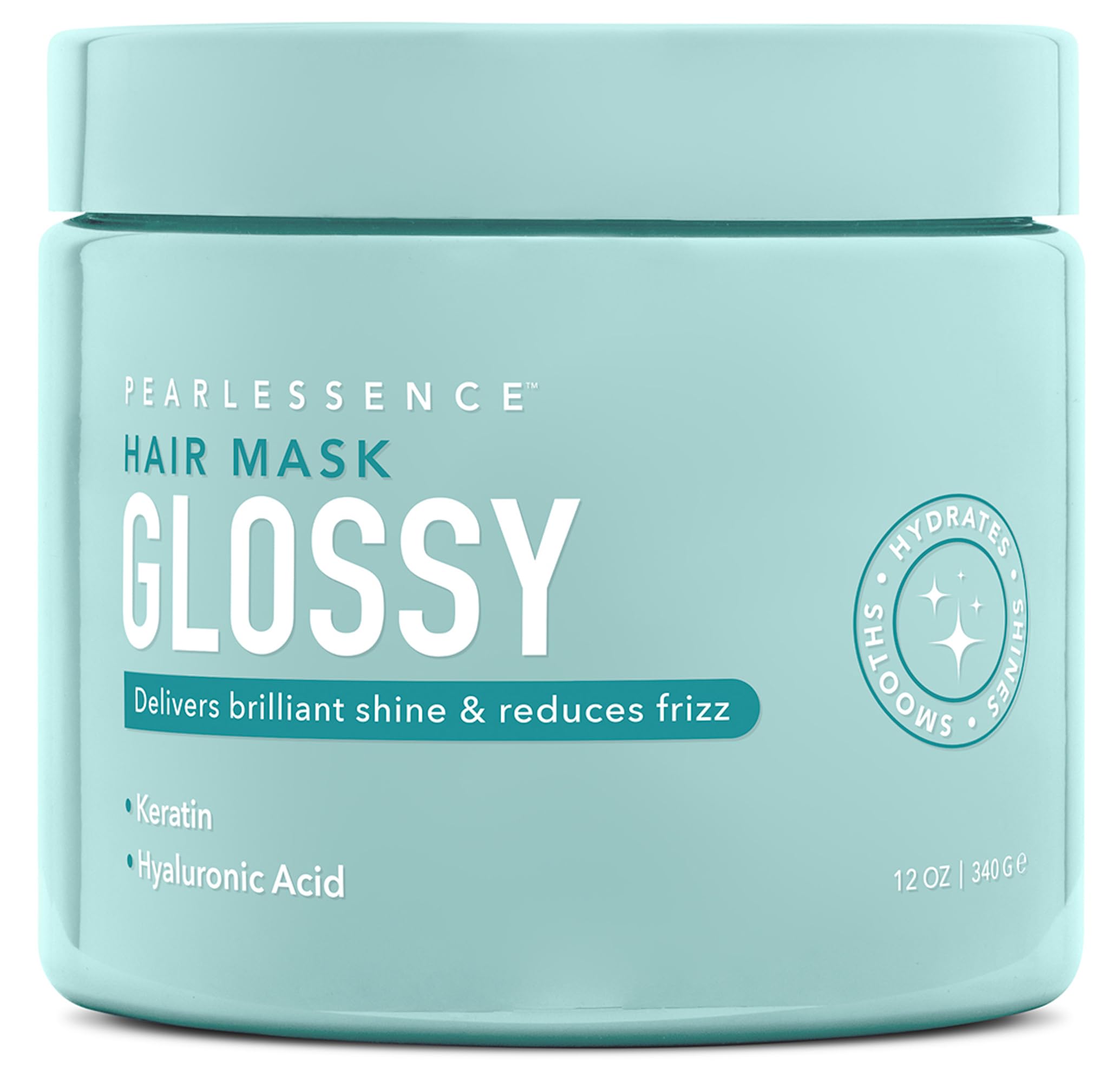
Deep conditioning treatments can be particularly transformative. Hair masks enriched with nourishing ingredients such as botanical oils, proteins, and ceramides penetrate deeper into the hair shaft to repair damage.
For best results, conditioners should be applied primarily to the mid-lengths and ends, where hair tends to be driest and most fragile. Allowing the product to sit for a few minutes before rinsing ensures maximum absorption.
Consistent conditioning leads to softer, shinier hair that is far easier to manage and style.
4. Protect Hair from Heat Damage

4
Heat styling tools can dramatically shape and style hair, but frequent exposure to high temperatures can weaken hair structure over time.
Heat alters the protein bonds within the hair shaft. When used excessively without protection, tools such as straighteners, curling irons, and blow dryers can cause dryness, breakage, and split ends.
Fortunately, modern hair care science offers simple solutions.
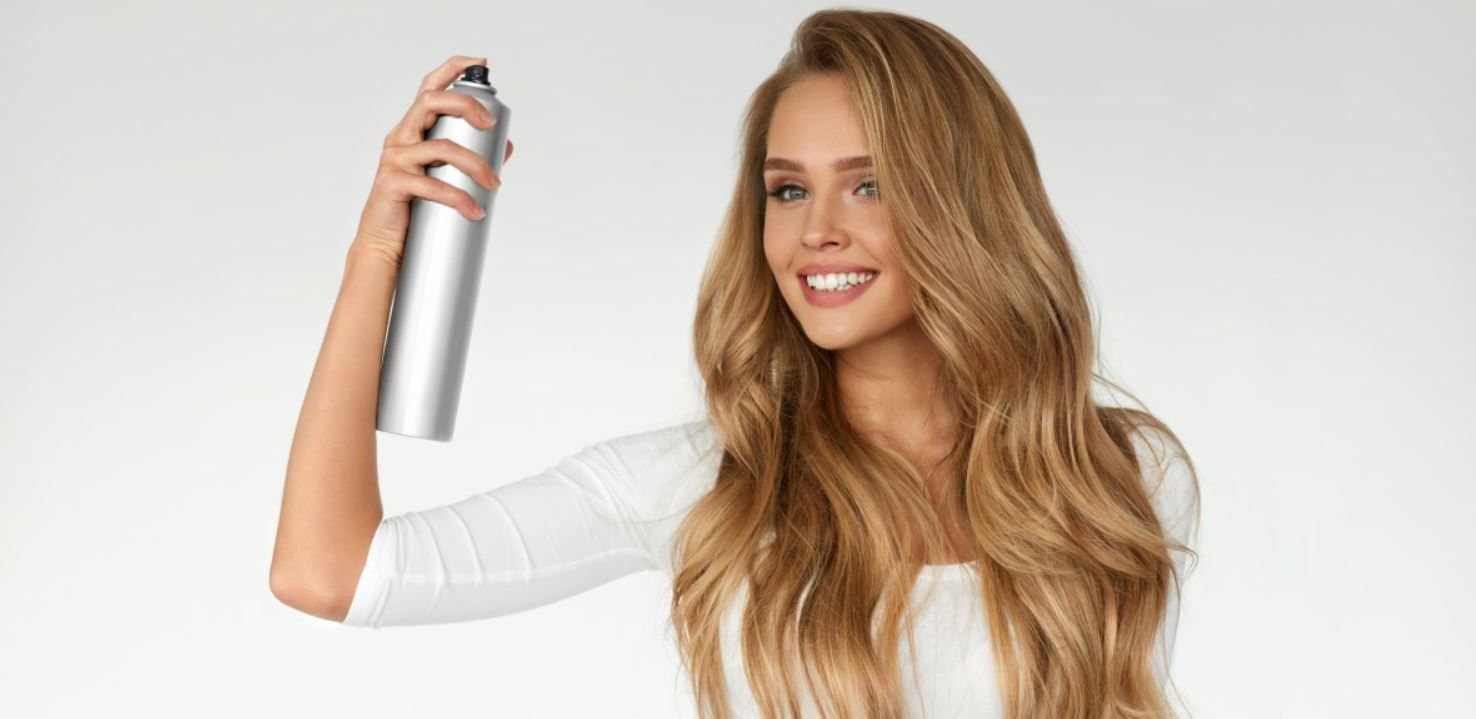
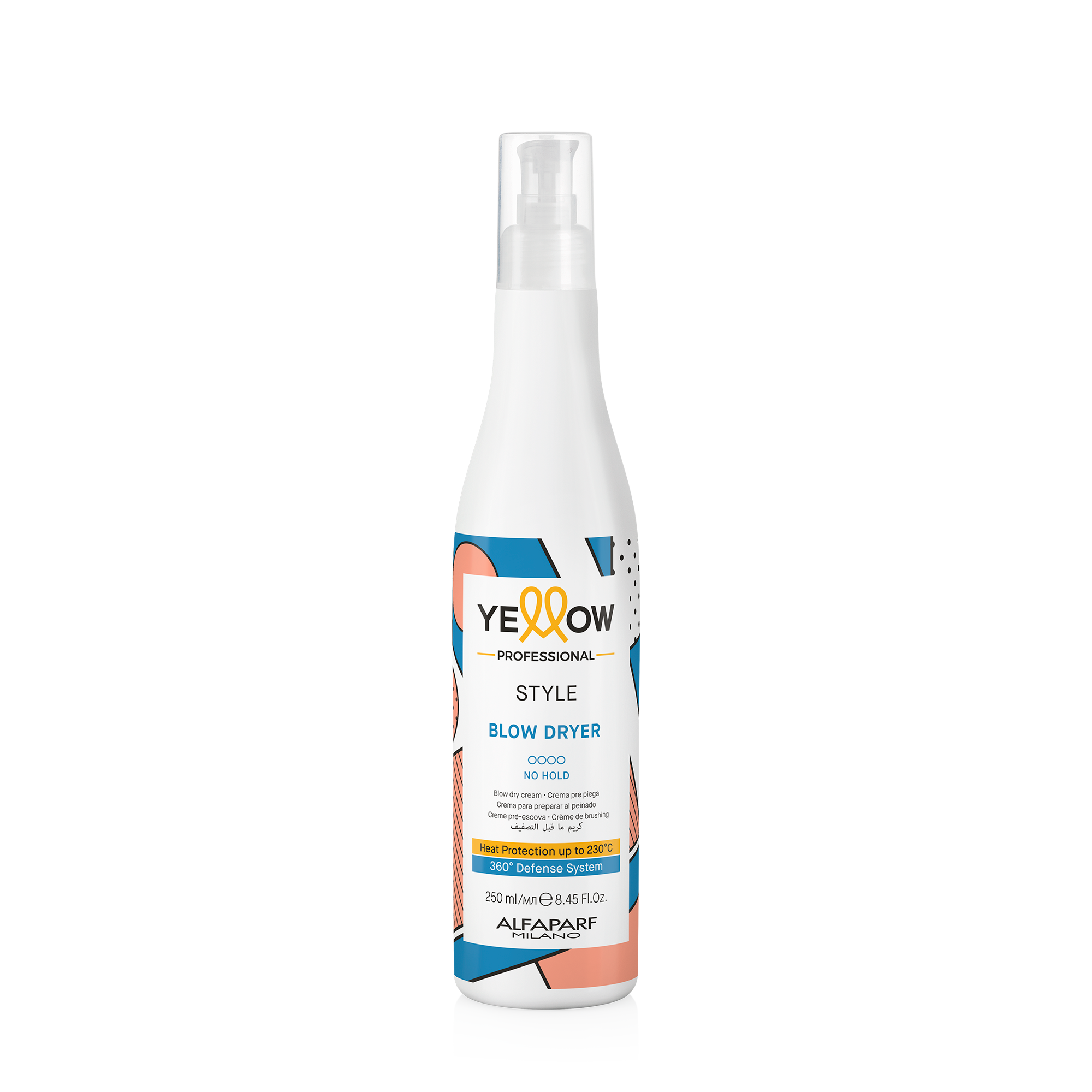
Heat protectant sprays create a barrier that distributes heat more evenly and reduces moisture loss. These formulas often contain polymers, silicones, and conditioning agents that shield hair during styling.
Lowering the temperature of styling tools can also help prevent damage. Many people use temperatures that are far higher than necessary. For most hair types, moderate heat is sufficient to achieve desired results.
Incorporating occasional heat-free styling days—such as air-drying or natural styles—allows hair to recover and maintain its natural strength.
5. Handle Wet Hair Gently


4
Hair is most vulnerable when it is wet. At this stage, the strands are more elastic and susceptible to stretching, snapping, and breakage.
One of the most common mistakes people make is aggressively brushing their hair immediately after showering. Instead, experts recommend using a wide-tooth comb or a specialized detangling brush designed for wet hair.
Starting at the ends and gradually working upward helps minimize tension and prevents unnecessary pulling.
The towel you use can also influence hair health. Traditional cotton towels can create friction that roughens the hair cuticle. Microfiber towels or soft cotton T-shirts absorb water while reducing friction and frizz.
Gentle handling during this vulnerable stage significantly reduces breakage and preserves the integrity of each strand.
6. Nourish Hair from Within


4
Hair health is not only determined by external products—it is also deeply connected to nutrition. Hair follicles require a steady supply of vitamins, minerals, and proteins to produce strong, resilient strands.
Protein is particularly essential because hair is primarily made of keratin, a structural protein. Diets lacking sufficient protein can lead to weaker hair growth and increased shedding.
Certain micronutrients are also known to support hair health. Biotin, iron, zinc, and omega-3 fatty acids play important roles in maintaining follicle strength and scalp health.
Foods rich in these nutrients include eggs, leafy greens, nuts, fatty fish, legumes, and seeds. Staying well hydrated also supports overall scalp balance.
When the body receives proper nourishment, hair growth becomes stronger, thicker, and more vibrant over time.
7. Protect Hair While You Sleep

4
Nighttime hair care is often underestimated, yet the hours spent sleeping can significantly impact hair health.
Traditional cotton pillowcases create friction that can roughen the hair cuticle, leading to tangles, frizz, and breakage. Silk or satin pillowcases reduce this friction, allowing hair to glide smoothly across the surface.
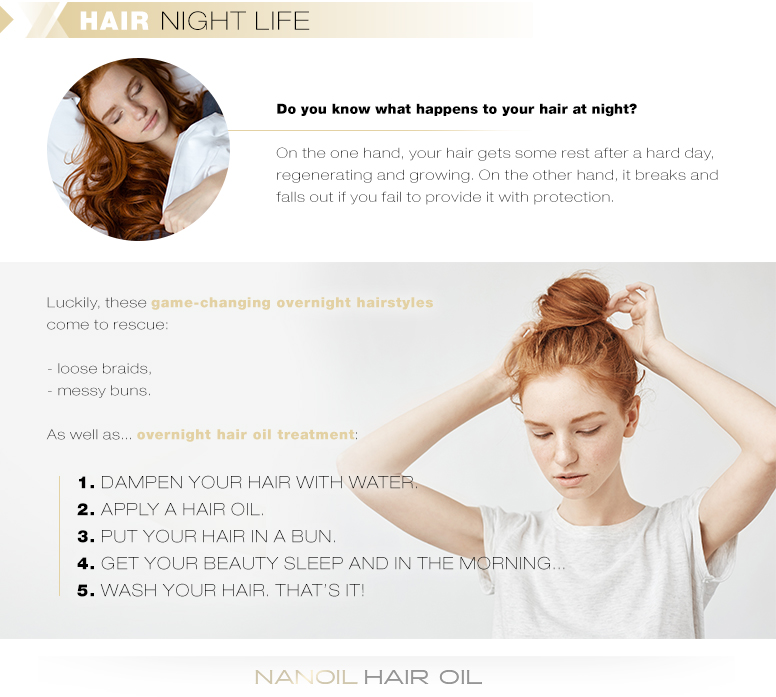
Protective hairstyles can also prevent overnight damage. Loose braids or buns keep hair contained while reducing tangling.
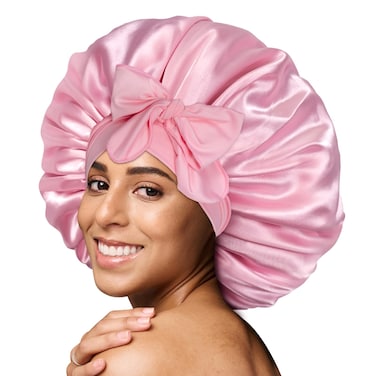
For individuals with curly or textured hair, silk bonnets or scarves offer additional protection by maintaining moisture and preserving natural curl patterns.
These small nighttime habits help hair retain its smoothness and strength, ensuring you wake up with more manageable strands each morning.
The Real Secret Behind Beautiful Hair
While beauty marketing often emphasizes miracle products, the real secret behind transformative hair lies in consistency.
Healthy hair is the result of small, intentional habits repeated daily: gentle handling, balanced scalp care, thoughtful washing routines, and protective styling practices.
When these habits become part of your lifestyle, hair gradually becomes stronger, shinier, and more resilient. Breakage decreases, growth improves, and styling becomes easier.
Modern beauty philosophy embraces a holistic approach—one that recognizes the connection between wellness, science, and daily rituals. Hair care is no longer just about appearance; it is about nurturing the health of every strand from root to tip.
The transformation may not happen overnight, but with patience and consistency, these seven habits can dramatically elevate the health and beauty of your hair.
And often, the most powerful hair care secret is surprisingly simple: treat your hair with the same care and attention you give your skin.
