Bio-Fermented Actives: Why Fermentation Is Reshaping Skincare Formulas
Bio-Fermented Actives: Why Fermentation Is Reshaping Skincare Formulas
Alt text
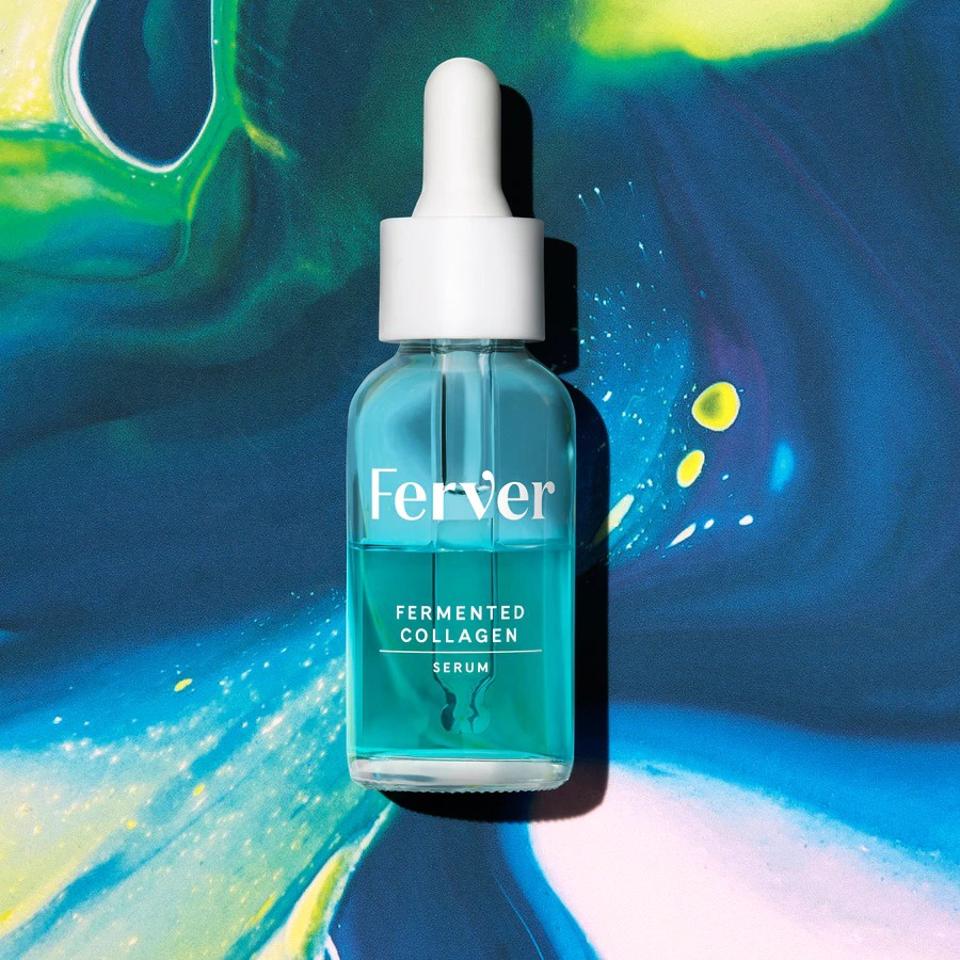
Bio-fermented skincare serum representing biotechnology innovation in cosmetic formulation.
Caption
Where biotechnology meets beauty: fermentation transforms natural ingredients into high-performance cosmetic actives.
The beauty industry is entering a new scientific era. For decades, skincare innovation revolved around discovering stronger active ingredients—retinoids, acids, antioxidants, and peptides. Today, however, the focus is shifting toward something more fundamental: how ingredients are created.
One of the most important technologies behind this shift is fermentation.
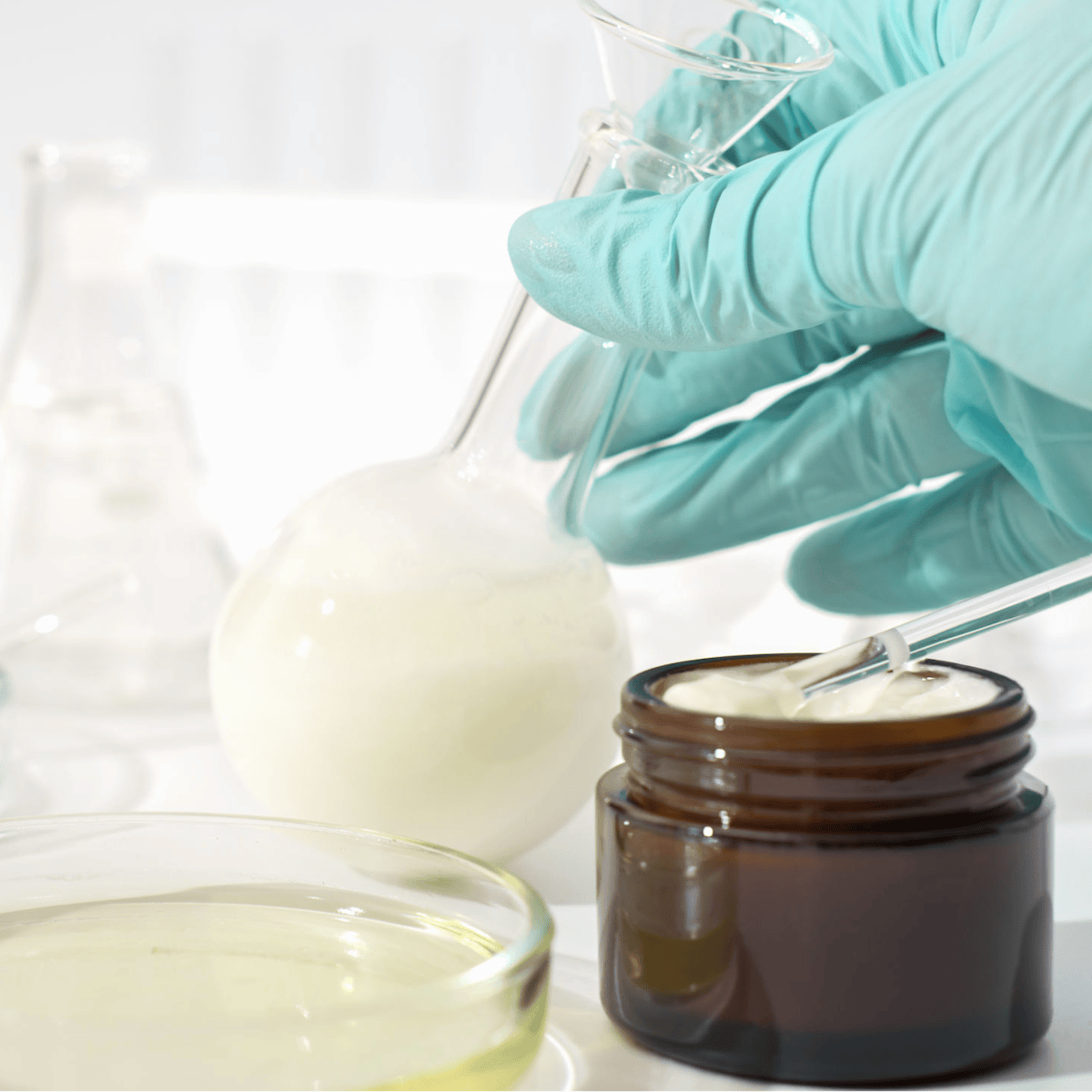
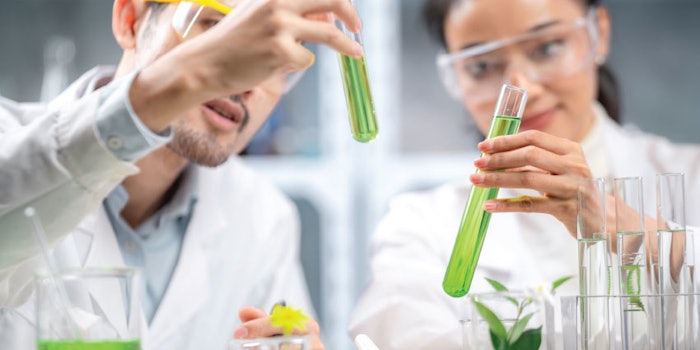
Originally used in food production—think yogurt, kombucha, and wine—fermentation is now being refined through modern biotechnology to create bio-fermented cosmetic ingredients. In laboratories, microorganisms such as yeast and bacteria are used to transform botanical extracts into more powerful and skin-compatible molecules.
The result is a new generation of skincare formulas that combine nature, microbiome science, and biotechnology.
Fermented ingredients are no longer a niche concept from Korean beauty trends. They are now becoming a core formulation strategy across global cosmetic brands.
The Science Behind Fermented Skincare 🧬


Alt text
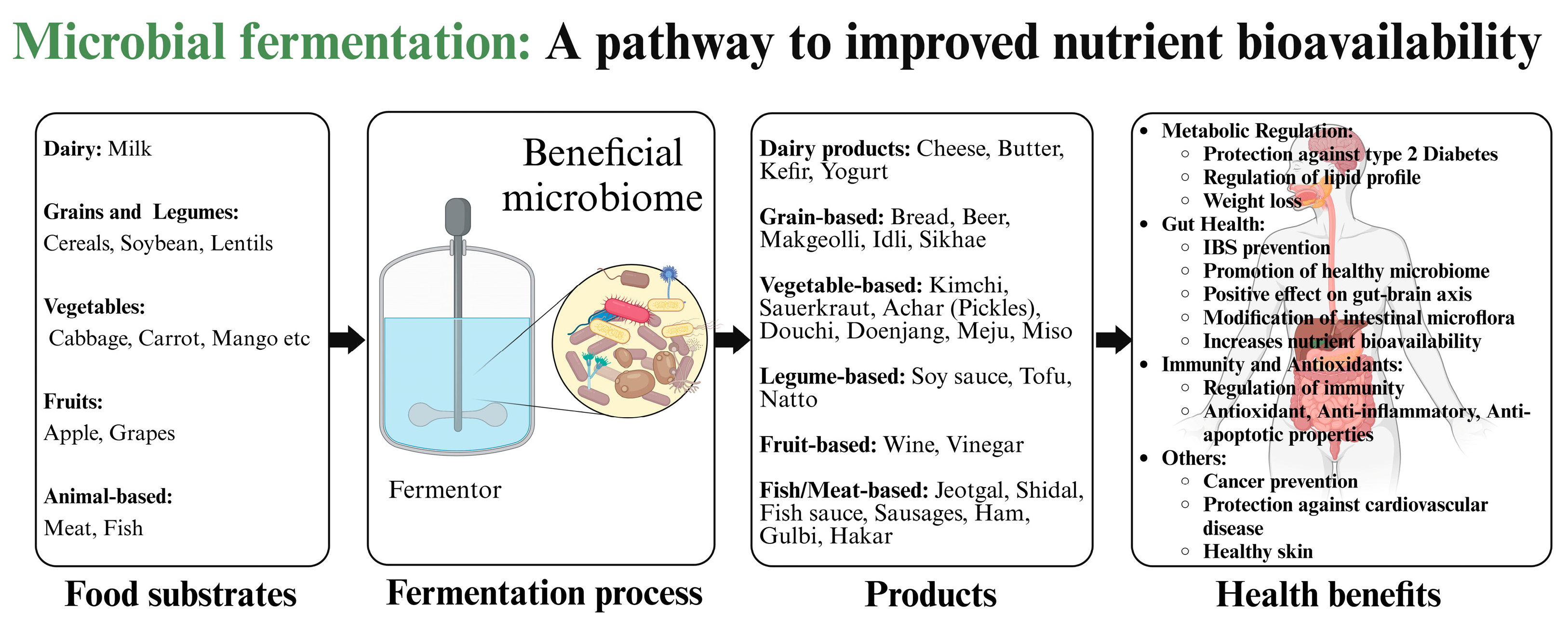
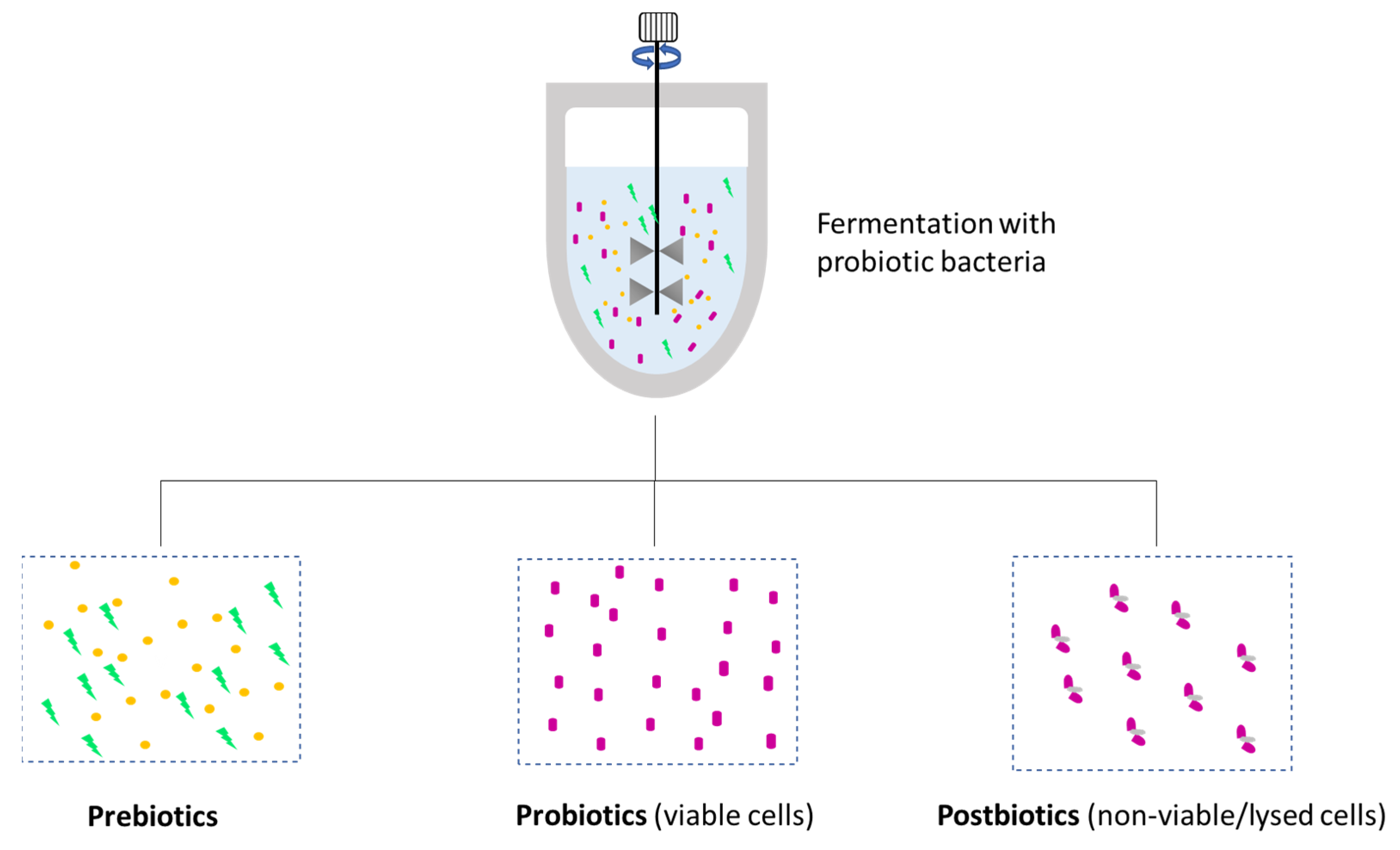
Scientific diagram showing microorganisms breaking down cosmetic ingredients during fermentation.
Caption
Microorganisms transform complex compounds into smaller bioactive molecules during fermentation.
Fermentation occurs when microorganisms—typically bacteria or yeast—metabolize natural materials such as plant extracts, sugars, or proteins.
During this process, enzymes break large molecules into smaller bioactive compounds.
These compounds can include:
amino acids
peptides
antioxidants
organic acids
vitamins
Because fermentation reduces molecular size, ingredients often become easier for the skin to absorb. Fermentation can also increase the concentration of beneficial compounds like antioxidants and amino acids while making the ingredient gentler and more stable. (Face the Future)
This transformation creates biotransformed ingredients—cosmetic actives that did not exist in their original raw form.
In other words, fermentation doesn’t simply extract ingredients from nature; it re-engineers them biologically.
Postbiotics and the Skin Microbiome 🔬


Alt text
Skin microbiome diagram showing bacteria ecosystem and skin barrier layers.
Caption
Fermented ingredients produce postbiotic compounds that support the skin microbiome.
One of the reasons fermentation has gained so much attention in skincare research is its relationship with the skin microbiome.
The microbiome is the ecosystem of microorganisms that live on the surface of the skin. These microbes play important roles in:
protecting against pathogens
regulating inflammation
maintaining the skin barrier
When this ecosystem becomes unbalanced, skin problems such as acne, irritation, and sensitivity can occur.
Fermented skincare ingredients help support the microbiome through the production of postbiotics.
Postbiotics are bioactive compounds created during fermentation from probiotic bacteria. (MZ SKIN Limited)
Scientists define them as preparations of inactivated microorganisms or their components that still provide health benefits. (Nature)
Unlike probiotics, postbiotics contain no live bacteria, which makes them easier to stabilize in skincare products.
Research suggests that these fermentation-derived metabolites can help improve the skin barrier, reduce inflammation, and support conditions such as acne-prone or eczema-prone skin. (pmc.ncbi.nlm.nih.gov)
Why Fermentation Improves Ingredient Performance 💎
Fermented skincare ingredients offer several advantages compared to traditional extracts.
Increased Bioavailability
Fermentation breaks large molecules into smaller ones that the skin can absorb more easily. (paulaschoice.com)
Enhanced Potency
Microbial activity often increases the concentration of beneficial compounds such as antioxidants and vitamins. (Face the Future)
Better Skin Compatibility
Fermented ingredients tend to be more biocompatible with the skin and support natural biological processes. (pmc.ncbi.nlm.nih.gov)
Improved Barrier Function
Fermented actives help reinforce the skin barrier and may reduce inflammation or sensitivity. (UpCircle Beauty)
Together, these advantages make fermentation particularly attractive for modern skincare formulations focused on barrier repair and microbiome balance.
Popular Bio-Fermented Ingredients in Modern Skincare 🌿
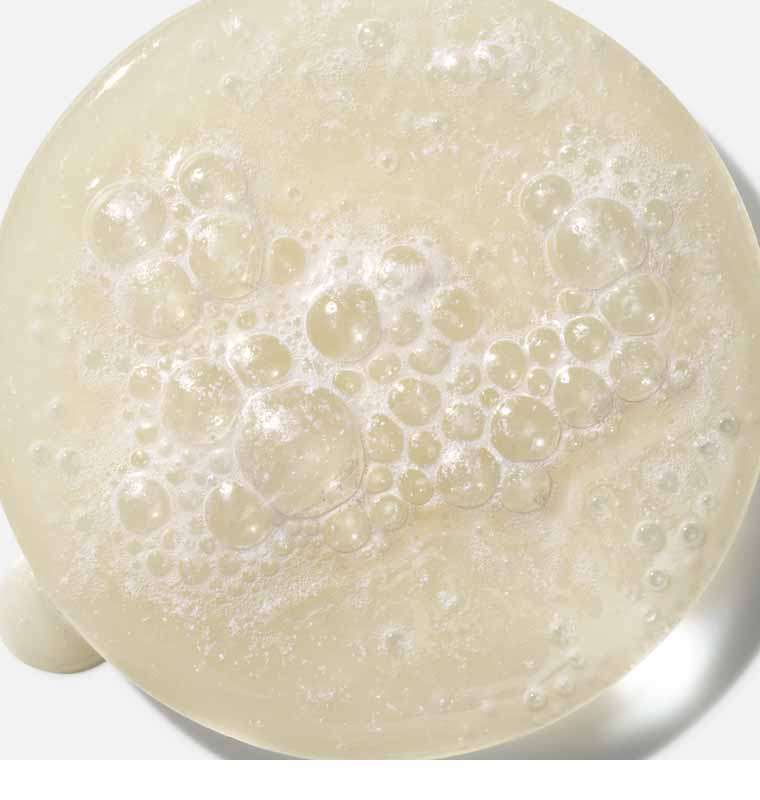
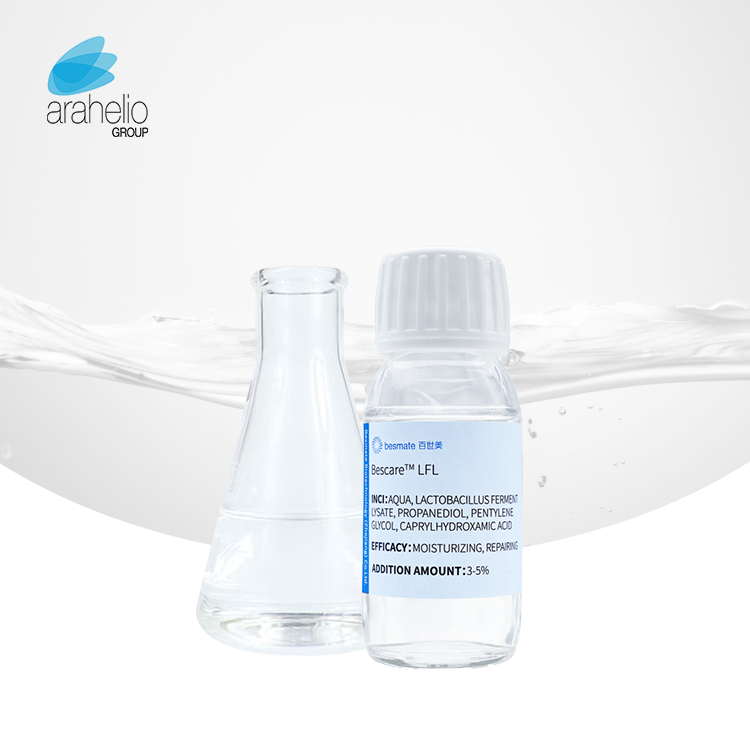
Alt text
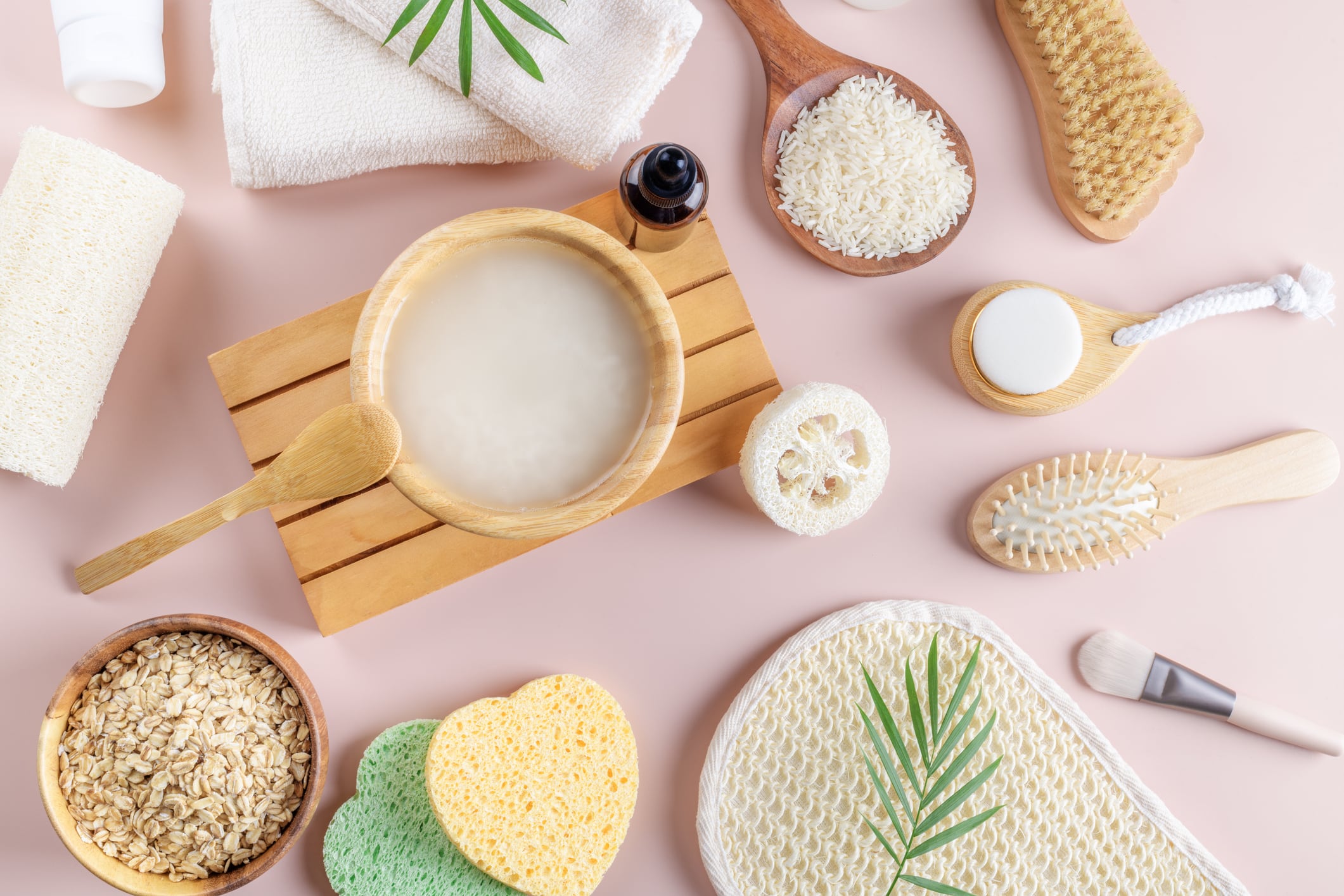
Examples of fermented cosmetic ingredients including galactomyces and lactobacillus ferments.
Caption
Fermentation transforms botanical extracts into high-performance cosmetic ingredients.
Several fermented ingredients are already widely used in cosmetic formulas.
Galactomyces Ferment Filtrate
A yeast-derived ingredient originally associated with sake fermentation. It is rich in vitamins, amino acids, and antioxidants and is often used to improve hydration, brightness, and skin texture.
Fermented Rice Extract
Rice fermentation produces amino acids and organic acids that contribute to hydration and skin brightening effects.
Lactobacillus Ferments
Derived from probiotic bacteria fermentation, these ingredients help support microbiome balance and barrier repair.
Botanical Bioferments
Biotechnology companies are now fermenting botanical extracts such as algae, green tea, and ginseng to enhance their potency and antioxidant capacity.
Sustainability and Biotech Beauty 🌍
Another major advantage of fermentation lies in its environmental impact.
Traditional cosmetic ingredients often require large amounts of plant material to extract small quantities of active compounds.
Fermentation allows scientists to produce ingredients using microbial cultures instead, reducing environmental pressure and enabling the use of plant biomass waste as raw material. (pmc.ncbi.nlm.nih.gov)
As sustainability becomes a priority for the beauty industry, biotechnology and fermentation are emerging as key solutions.Why Fermented Skincare Is Becoming So Popular 💡
Consumers are increasingly drawn to fermented skincare for several reasons.
First, it combines natural origins with scientific innovation. Fermentation feels ancient and organic, yet it is now enhanced through modern biotechnology.
Second, fermented formulas often deliver visible results such as smoother texture, improved hydration, and increased radiance.
Finally, fermentation aligns with a broader skincare trend: protecting the skin barrier rather than aggressively exfoliating it.
The Future of Bio-Fermented Beauty 🔬
Looking ahead, fermentation technologies will likely become even more sophisticated.
Researchers are exploring precision fermentation, a method that uses specially designed microorganisms to produce specific cosmetic molecules.
Future innovations may include:
microbiome-targeted postbiotics
fermented peptides for skin repair
biotech-derived antioxidants
advanced fermented delivery systems
These developments suggest that fermentation will become one of the central pillars of cosmetic science in the coming decade.
Conclusion ✨
Fermentation is more than a skincare trend. It represents a profound shift in how cosmetic ingredients are created.
By combining microbiology, biotechnology, and traditional natural ingredients, fermentation allows scientists to produce actives that are more effective, more sustainable, and more compatible with the skin’s biology.
As research into the skin microbiome continues to expand, bio-fermented actives will likely remain at the forefront of innovation.
In the evolving landscape of biotech beauty, fermentation is not just reshaping formulas—it is redefining the future of skincare.
