Pastel Lids Without Creasing: Prep + Product Tips for the Softest Spring Eye Look
Pastel Lids Without Creasing: Prep + Product Tips for the Softest Spring Eye Look
Pastel eyeshadow has quietly reclaimed its place in modern beauty. Once associated mainly with retro makeup trends and seasonal spring palettes, today's pastel lids feel sophisticated, wearable, and surprisingly versatile. Soft lavender washes, muted pistachio greens, powder blues, and delicate peach tones now appear on editorial runways, social feeds, and everyday makeup routines alike.
Yet pastel eyeshadow comes with one major challenge: creasing.
Because pastel pigments tend to be lighter, softer, and often more matte, they can quickly settle into eyelid lines, especially on oily or textured lids. Instead of looking airy and blurred, pastel makeup can turn patchy, uneven, or cracked after just a few hours.
The good news is that creasing isn't inevitable. With the right preparation techniques, smart layering strategies, and the right formulas, pastel lids can stay smooth, fresh, and luminous from morning to night.
In this guide, we'll explore exactly how to create crease-free pastel eye looks — from prepping the eyelid properly to choosing the best textures for modern pastel makeup.
Why Pastel Eyeshadow Creases More Easily
Before learning how to prevent creasing, it's helpful to understand why pastel shades are more prone to it.
Pastel shadows are typically created by mixing white pigment with color. This dilution softens the shade but also changes the texture. Many pastel formulas are slightly drier, more powdery, or less saturated than deeper tones.
That combination creates a few challenges.
First, lighter pigments show texture more easily. Any eyelid lines, dryness, or oil breakthrough becomes more visible with pastel shades than with deeper smoky colors.
Second, pastel shadows sometimes lack the natural adhesion of richer pigments. Without a good base underneath, they can slide or gather in the crease area.
Finally, eyelids naturally move throughout the day. Blinking, smiling, and facial expressions constantly shift the skin. If the product isn't properly anchored, it will migrate.
The solution isn't avoiding pastel shades — it's building the right base and using textures strategically.
Step One: Prep the Eyelid Like a Makeup Artist
The most important step for crease-free pastel lids actually happens before any eyeshadow is applied.
Professional makeup artists treat eyelid preparation the same way skincare professionals treat skin prep: as the foundation of the final result.
Start by making sure the eyelid is clean and balanced. If you've applied moisturizer or sunscreen near the eye area, gently blot the lid with a tissue to remove excess oils.
Next comes a thin layer of eye primer. This step is non-negotiable for pastel shades. A good primer grips pigment while smoothing the eyelid surface, creating a canvas that resists creasing.
Look for primers that focus on:
oil control
smoothing texture
color correction
A slightly tacky primer works particularly well because pastel pigments need something to cling to.
✨ A small trick used backstage: apply primer with a fingertip and let it sit for about 20–30 seconds before adding shadow. This allows the formula to set slightly while still remaining adhesive.
If you have very oily lids, lightly set the primer with a translucent powder or neutral shadow. This prevents slipping without removing grip.
Step Two: Choose the Right Pastel Formula



4
Not all pastel eyeshadows behave the same way. The formula you choose can dramatically affect longevity.
Many modern beauty brands now offer pastel shades in several formats:
powder shadows
cream shadows
liquid pigments
multi-texture palettes
Each type performs slightly differently.
Powder pastels are the most traditional. They offer a soft, diffused look that feels very editorial. However, they rely heavily on good primer and careful layering.
Cream pastel shadows tend to adhere better to the lid. Their slightly emollient texture helps pigment stay flexible rather than cracking. They also blend beautifully with fingertips.
Liquid pastels are often the most long-wearing option. Once set, they can resist creasing for hours. The key is blending quickly before they dry.
Many makeup artists actually combine formulas for the best result. A cream pastel base topped with a powder pastel shadow can create both adhesion and softness.
This layered approach allows the pastel color to remain vibrant while staying locked in place.
Step Three: Use Thin Layers Instead of One Heavy Coat
One of the biggest mistakes people make with pastel eyeshadow is trying to build opacity in a single application.
Pastel pigments simply aren't designed to behave like bold jewel tones. Piling them on heavily often leads to cracking and uneven blending.
Instead, focus on thin, buildable layers.
Start with a light wash of color. Blend it gently across the lid using a fluffy brush or fingertip. At this stage the color may look subtle, and that's perfectly fine.
Allow the first layer to settle for a few seconds before adding another.
Gradually intensify the shade until you reach the desired softness. This technique distributes pigment evenly and reduces the risk of product gathering in the crease.
The result looks more natural, more modern, and far more durable.
Step Four: Lock Everything With Strategic Setting

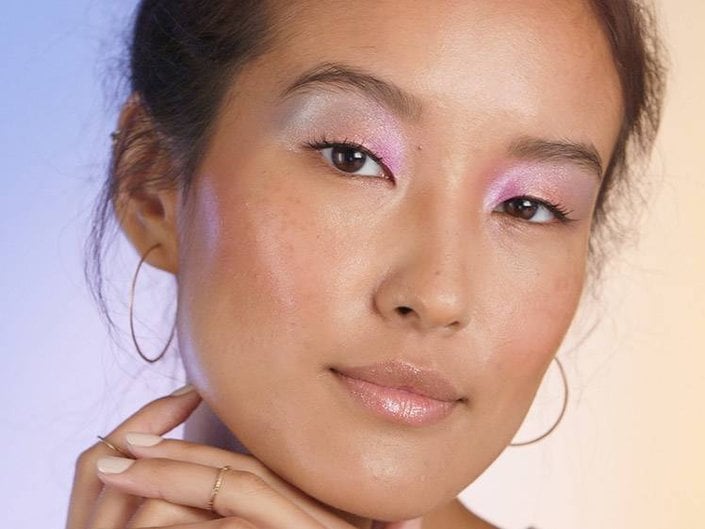

4
Once your pastel shade is blended, a small amount of setting can help preserve the finish.
Rather than packing powder directly onto the lid, use a very light touch. A small fluffy brush works best.
Gently press a translucent powder or matching pastel shadow into the center of the lid. This step stabilizes the pigment without dulling the color.
Avoid heavy powder near the crease itself. Too much product there can actually emphasize folding and texture.
Another subtle technique is to apply a slightly deeper pastel shade in the crease area. This creates a soft gradient while helping camouflage natural lid movement.
The effect is delicate but effective: the pastel lid remains smooth while the eye shape appears softly sculpted.
Step Five: Balance the Rest of the Eye Makeup
Pastel eyeshadow works best when the rest of the eye makeup complements its softness.
Heavy liner or dense mascara can sometimes overpower pastel shades, making them appear chalky or flat.
Instead, try lighter framing techniques.
A softly smudged eyeliner in taupe, brown, or muted plum can define the eye without competing with the pastel color.
Curling the lashes and applying a lengthening mascara keeps the eye open and fresh. Some makeup artists even skip liner entirely for a minimalist pastel look.
Brows also play an important role. Well-groomed, softly filled brows help anchor pastel lids and prevent the overall look from appearing too washed out.
The goal is harmony. Pastel eyeshadow should feel like a gentle veil of color, not a harsh statement.
Step Six: Adapt Pastel Shades to Your Skin Tone
One reason pastel makeup sometimes fails is that people choose shades that don't harmonize with their complexion.
Pastels aren't one-size-fits-all.
For fair skin tones, lavender, baby blue, and soft pink pastels often look luminous and ethereal.
Medium complexions tend to glow with pistachio green, soft peach, or warm lilac tones.
Deeper skin tones can look stunning in more saturated pastels such as periwinkle, mint, or coral pastels with stronger pigment.
The trick is to look for pastels with enough color depth so they remain visible without turning ashy.
Many modern beauty brands have improved their pastel formulas specifically to work across diverse skin tones.
Step Seven: Fix Creasing Mid-Day (If It Happens)
Even with perfect preparation, eyelids can occasionally crease — especially in warm climates or long days.
Fortunately, pastel eyeshadow is relatively easy to refresh.
If you notice product gathering in the crease, gently smooth the area using a clean fingertip or blending brush. This redistributes the pigment without removing too much color.
You can then lightly tap a small amount of pastel shadow over the lid to restore softness.
Avoid adding too many layers throughout the day. A small adjustment is usually enough.
Carrying a mini blending brush in your makeup bag can be surprisingly helpful for quick touch-ups.
Why Pastel Eyes Are Trending Again
Pastel eyeshadow aligns perfectly with the broader shift happening in beauty right now.
Instead of heavy contouring or dramatic smoky eyes, many people are gravitating toward lighter, fresher makeup aesthetics.
Pastel shades create color without intensity. They feel playful but still refined, especially when paired with glowing skin and natural lips.
Social media has also played a role. Soft pastel looks photograph beautifully, diffusing light and creating a dreamy visual effect.
Designers and editorial makeup artists have embraced the trend as well, often pairing pastel lids with minimalist complexions and glossy skin.
The result is a modern beauty aesthetic that feels optimistic, artistic, and wearable at the same time.
The Secret to Modern Pastel Makeup
Ultimately, the difference between outdated pastel makeup and modern pastel makeup lies in texture and technique.
Older pastel looks often relied on flat, chalky formulas applied heavily across the lid.
Today's pastel eyes feel airy, blended, and luminous. The color acts more like a watercolor wash than a dense pigment block.
By focusing on careful preparation, thin layering, and balanced eye makeup, pastel shades can become one of the most flattering and versatile trends in your routine.
With the right approach, pastel lids stay smooth, fresh, and crease-free — proving that soft color can be just as powerful as bold drama.
And perhaps that's the real appeal of pastel makeup: it brings a sense of lightness and creativity back to everyday beauty.
✨ Sometimes the softest colors create the strongest impression.
