The Dirty Truth About Makeup Tools: Breakouts, Irritation, and How to Prevent It

4
The Dirty Truth About Makeup Tools: Breakouts, Irritation, and How to Prevent It
There’s a quiet culprit hiding inside many makeup bags—one that even skincare lovers often overlook. While we carefully select foundations, serums, and moisturizers, the tools we use every day can silently sabotage our skin. Brushes, sponges, lash curlers, and powder puffs may appear harmless, but when neglected, they can become breeding grounds for bacteria, oil buildup, and product residue.
Dermatologists and beauty experts increasingly point to makeup tool hygiene as a major contributor to unexpected breakouts, irritation, and even infections. The truth is simple: clean products applied with dirty tools can still damage your skin.
Understanding the relationship between beauty tools and skin health is essential for anyone seeking a clear, balanced complexion. Once you learn what’s really happening on your brushes—and how easily problems can be prevented—you’ll never look at your makeup routine the same way again. 💡
Why Dirty Makeup Tools Cause Skin Problems
Makeup tools come into direct contact with your skin, oils, sweat, and cosmetic products every day. Over time, this combination creates an ideal environment for bacteria and fungi to thrive.
Even tools that appear clean can harbor microorganisms invisible to the eye.
When brushes and sponges accumulate buildup, several skin issues may appear:
Persistent acne or clogged pores
Redness and irritation
Increased skin sensitivity
Uneven makeup application
Eye infections or styes
The reason is simple. Each time you use a contaminated tool, you reintroduce bacteria onto your skin. This cycle can trap oil and microbes inside pores, leading to inflammation and breakouts.
For those with acne-prone or sensitive skin, dirty tools can quickly worsen existing conditions. 🔬
The Hidden Bacteria Living in Your Brushes
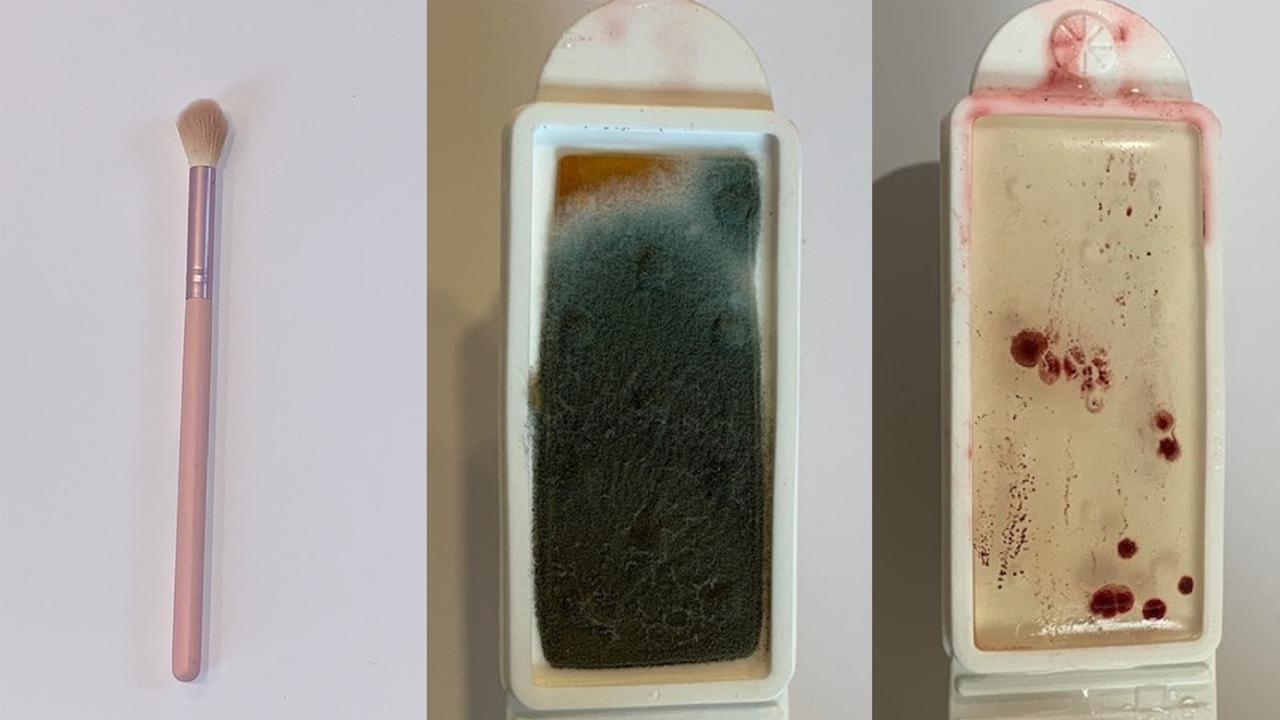
Scientific studies analyzing cosmetic tools have found surprisingly high levels of microbial contamination. Brushes and sponges frequently contain bacteria such as:
Staphylococcus
E. coli
Pseudomonas
These bacteria thrive because makeup products contain oils, waxes, and pigments—nutrients that microbes love.
Add warmth from your bathroom environment and moisture from damp sponges, and the perfect bacterial ecosystem forms.
The biggest offenders tend to be:
Foundation brushes
Makeup sponges
Concealer brushes
Cream blush brushes
Powder puffs
Sponges, in particular, are notorious for retaining moisture and product residue, making them ideal for bacterial growth.
This is why dermatologists often recommend cleaning sponges more frequently than brushes.


4
Makeup Sponges: The Worst Offender
If there is one beauty tool that requires consistent cleaning, it’s the makeup sponge.
Unlike brushes, sponges absorb both liquid products and moisture from the environment. This creates a damp interior where bacteria multiply quickly.
Within just a few uses, a sponge can collect:
Foundation buildup
Dead skin cells
Natural oils
Environmental pollutants
When pressed repeatedly against the skin, this contaminated surface can push bacteria directly into pores.
Another issue is oxidized product buildup. Old foundation trapped in the sponge can alter the color and texture of freshly applied makeup, leading to uneven results.
Professional makeup artists often replace sponges every few weeks for this reason.
Why Dirty Tools Trigger Breakouts
Breakouts linked to makeup tools typically occur through a combination of three factors:
1. Bacteria Transfer
Each time a contaminated brush touches the skin, bacteria transfer from the tool to the face. This increases the likelihood of inflamed pimples or clogged pores.
2. Oil and Debris Accumulation
Makeup tools collect oils from the skin, which mix with product residue and dust particles. When reintroduced to the skin, this mixture can block pores.
3. Skin Barrier Disruption
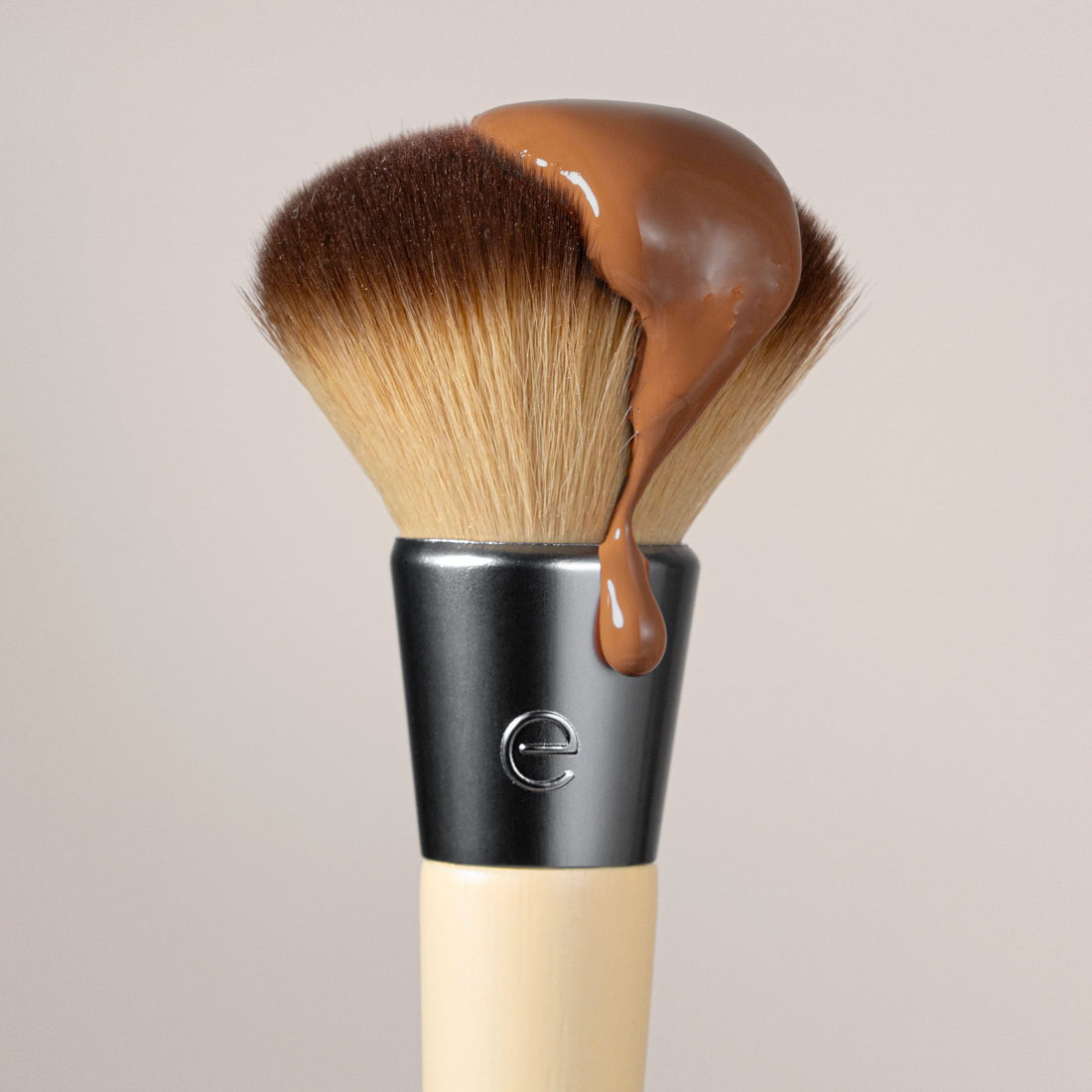
Rough or hardened brushes coated in dried product can irritate the skin barrier. Once the barrier weakens, the skin becomes more vulnerable to inflammation and breakouts.
Maintaining clean tools protects not only your pores but also the delicate balance of your skin barrier. 🧬
Irritation and Allergic Reactions
Breakouts are not the only problem caused by unclean beauty tools. Many people experience irritation, redness, or itchiness without realizing the source.
Old makeup trapped inside brushes can oxidize over time. As ingredients degrade, they may become irritating to the skin.
Additionally, brushes coated with layers of product can become stiff, increasing friction during application. This repeated rubbing can trigger sensitivity—especially around the eyes and cheeks.
For individuals with eczema or rosacea, this irritation can significantly worsen flare-ups.
Clean, soft tools help maintain a gentle application process that respects the skin’s natural defenses.

4
How Often You Should Clean Makeup Tools
A consistent cleaning routine dramatically reduces the risk of bacteria buildup.
General guidelines include:
Foundation brushes: once a week
Concealer brushes: once a week
Powder brushes: every 1–2 weeks
Makeup sponges: every 1–2 uses
Eyeliner brushes: every few uses
Lash curlers: weekly wipe-down
These intervals may seem frequent, but regular cleaning prevents deeper contamination that becomes harder to remove later.
Professional makeup artists often clean tools daily because they work with multiple faces.
For personal use, a weekly routine is usually sufficient.
The Right Way to Clean Makeup Brushes
Cleaning brushes correctly ensures both hygiene and longevity.
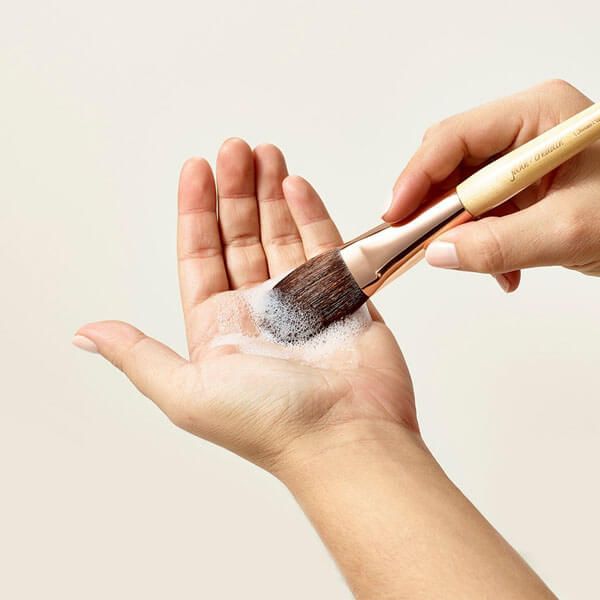
Start by rinsing the bristles with lukewarm water while keeping the handle angled downward. This prevents water from loosening the glue inside the brush head.
Apply a gentle cleanser—either a dedicated brush cleaner or a mild shampoo—and work it through the bristles.
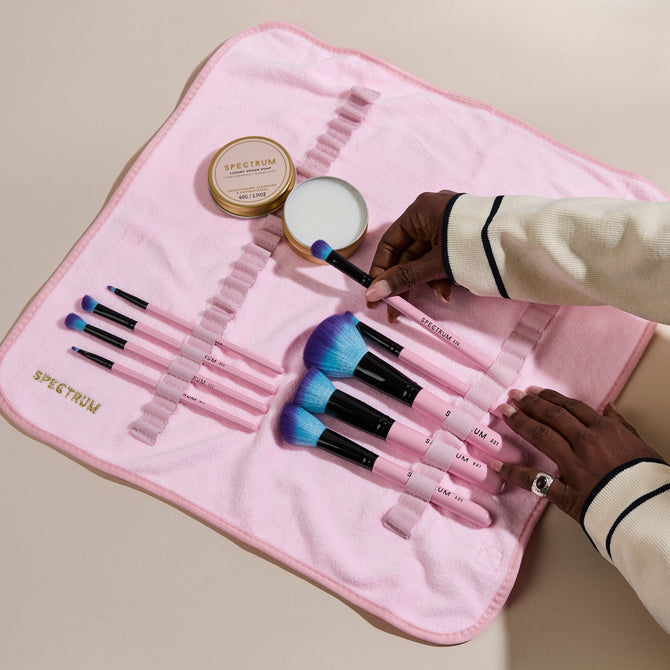
Gently swirl the brush against your palm or a textured cleaning mat to loosen trapped makeup.
Rinse thoroughly until the water runs clear.
Finally, reshape the brush and lay it flat on a clean towel to dry.
Allowing brushes to dry upright can cause water to seep into the handle and damage the adhesive over time.
A careful cleaning process protects your investment while maintaining performance. ✨
The Best Way to Clean Makeup Sponges
Sponges require slightly different care due to their absorbent structure.
Begin by fully saturating the sponge with warm water. This helps loosen trapped makeup.
Apply a small amount of cleanser and gently squeeze the sponge repeatedly to work the product through the interior.
Avoid twisting or pulling, which can damage the sponge’s structure.
Continue rinsing and squeezing until no foundation residue appears in the water.
Allow the sponge to air dry in a well-ventilated area.
Never store damp sponges inside sealed makeup bags or drawers—this encourages bacterial growth.
Replacing sponges every 4–8 weeks is recommended for optimal hygiene.
Storage Habits That Prevent Contamination
Even freshly cleaned tools can quickly become contaminated if stored improperly.
The best storage practices include:
Keeping brushes upright in open containers
Allowing sponges to fully dry before storage
Avoiding closed, humid environments
Washing makeup bags regularly
Bathrooms often contain high humidity, which promotes microbial growth. If possible, store tools in a dry bedroom vanity area instead.
Another helpful habit is avoiding contact between clean brushes and used products on counters.
Small adjustments in storage can significantly improve tool hygiene.
Signs Your Makeup Tools Need Immediate Cleaning
Sometimes tools reveal their condition through visible signs.
Watch for:
Brushes that feel stiff or scratchy
Sponges that stay stained after use
Unusual odors
Patchy makeup application
Increased breakouts after makeup use
If any of these appear, your tools likely contain heavy product buildup and bacteria.
Cleaning them promptly restores both hygiene and application quality.
The Long-Term Skin Benefits of Clean Tools
Regular tool maintenance offers benefits that extend beyond preventing breakouts.
Clean brushes help makeup blend more smoothly and evenly. Colors appear more accurate, textures remain consistent, and finishes look more refined.
More importantly, clean tools support overall skin health.
By reducing bacteria exposure and pore-clogging debris, you allow skincare products to work more effectively.
Many people notice clearer skin simply by improving their makeup hygiene routine.
Clean tools also last longer. Brushes maintain their softness, shape, and performance for years when properly cared for.
In other words, good hygiene protects both your skin and your beauty investments. 💎
Building a Simple Weekly Beauty Hygiene Routine
Maintaining tool cleanliness does not need to be complicated.
A simple routine might include:
Deep-cleaning brushes every Sunday
Washing sponges every few uses
Wiping down lash curlers weekly
Checking tools monthly for replacement
Setting a reminder can make the habit automatic.
Many beauty professionals treat brush cleaning as a relaxing ritual—similar to skincare self-care.
Once incorporated into your routine, it becomes second nature.
The Future of Beauty Tool Hygiene
As beauty technology evolves, the industry is beginning to emphasize hygiene more than ever before.
New innovations include antimicrobial brush fibers, self-cleaning devices, and quick-dry sponge materials designed to reduce bacterial growth.
Brands are also developing specialized cleansers that remove makeup residue while preserving brush softness.
These innovations reflect a growing understanding that tools are just as important as products in a beauty routine.
Clear skin is not only about what you apply—it’s also about how you apply it. 🌿
Final Thoughts
The relationship between makeup tools and skin health is often underestimated, yet it plays a powerful role in maintaining a clear complexion.
Brushes and sponges touch the skin daily, transferring whatever they carry—whether that’s fresh product or hidden bacteria.
Fortunately, preventing problems requires only a small shift in routine.
Consistent cleaning, proper storage, and occasional replacement can dramatically reduce breakouts and irritation while improving makeup results.
Once you experience the difference clean tools make, it becomes obvious: beautiful makeup begins with beautiful hygiene. ✨
