Why Your Hair Might Not Be Growing as Fast as It Could
Why Your Hair Might Not Be Growing as Fast as It Could
Hair growth can sometimes feel frustratingly slow. You take care of your hair, use quality products, and avoid obvious damage—yet your hair still seems stuck at the same length month after month.
The truth is that hair growth is influenced by far more than just the shampoo you use. Genetics, scalp health, nutrition, stress levels, styling habits, and even subtle daily routines all play a role in how quickly your hair grows.
Most people’s hair grows around half an inch per month, but many lifestyle and hair-care factors can slow this natural process. When the environment around the hair follicle isn’t optimal, hair may grow more slowly, become weaker, or break before reaching its full length.
The good news is that once you understand what may be limiting your hair growth, you can make small adjustments that gradually transform your hair’s strength, length, and overall health.
Let’s explore the most common reasons hair growth may be slower than it could be—and what you can do to change it. 🌿
Understanding How Hair Growth Actually Works
Before looking at the obstacles, it helps to understand how hair grows in the first place.
Each strand of hair grows from a follicle located beneath the scalp. Hair grows in a repeating cycle that includes three main phases:
The anagen phase is the growth phase. Hair follicles actively produce new hair during this stage, which can last anywhere from two to seven years.
The catagen phase is a short transition period when the follicle shrinks and hair stops actively growing.
The telogen phase is the resting stage. Eventually the hair falls out, making room for a new strand to begin growing.
If your hair breaks frequently or follicles become stressed, the growth phase can shorten. When that happens, hair may never reach its potential length.
Supporting healthy follicles and preventing breakage is therefore essential for maximizing growth. 🧬
Scalp Health May Be Holding Your Hair Back


4
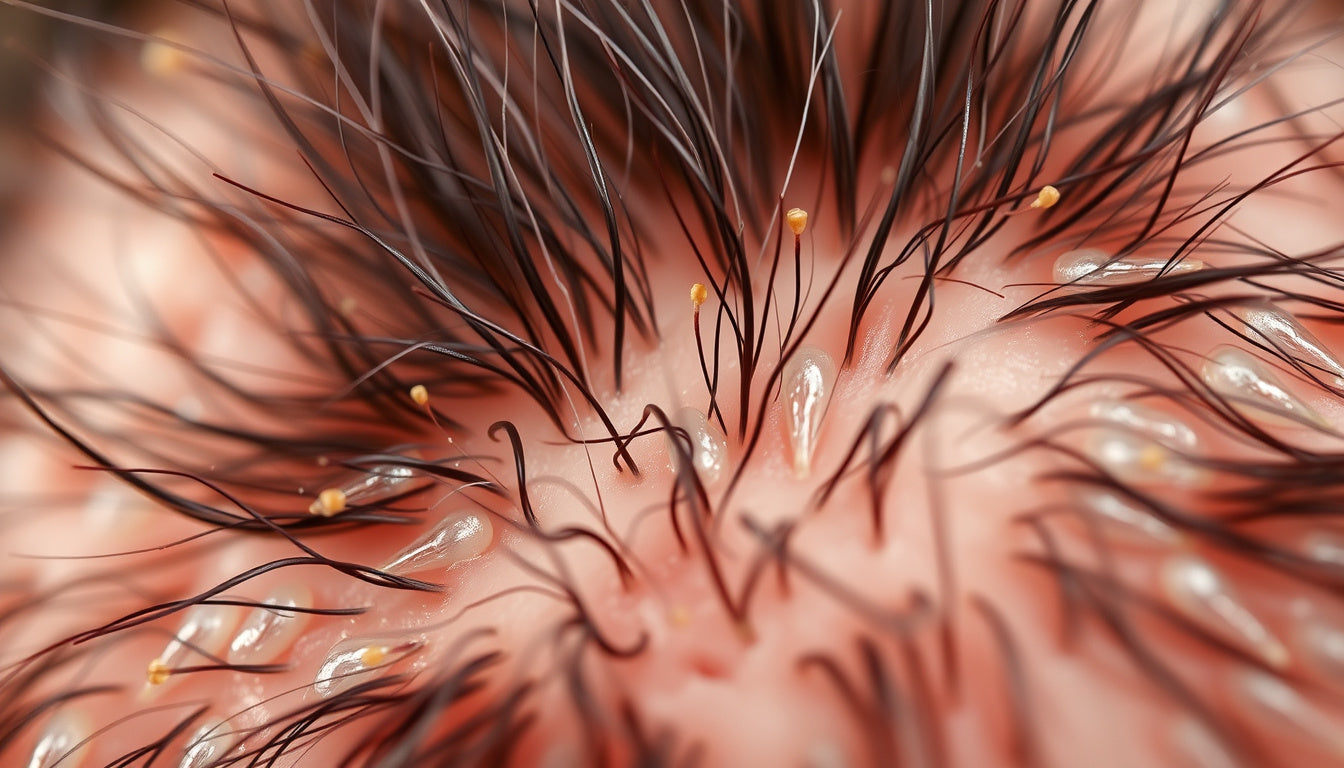
One of the most overlooked factors in hair growth is scalp health.
Your scalp functions much like soil for a plant. If the environment around the follicle becomes clogged, irritated, or inflamed, hair cannot grow efficiently.
Several issues can interfere with scalp health:
Product buildup is one of the most common. Styling creams, dry shampoo, and hair sprays can accumulate over time, clogging follicles and preventing healthy growth.
Another issue is insufficient circulation. Blood flow delivers oxygen and nutrients to hair follicles. Without adequate circulation, hair follicles may produce weaker strands.
Dryness or irritation can also weaken follicles and disrupt the growth cycle.
Improving scalp health can dramatically change how your hair grows. Gentle scalp exfoliation, regular cleansing, and occasional scalp massages can help restore a healthier environment for hair follicles.
Breakage Can Make Hair Appear Not to Grow
Sometimes hair is actually growing—but breakage makes it seem like it isn’t.
Hair grows from the roots, but if the ends continually split or snap, length disappears just as quickly as it forms.
Common causes of breakage include:
Frequent heat styling
Rough brushing
Overprocessing with color treatments
Tight hairstyles
Lack of moisture
When hair fibers become weak, the ends are the first to break.
The solution isn’t necessarily washing less or using more products. Instead, it’s about strengthening the hair structure with hydration, gentle styling practices, and regular trimming.
Healthy ends allow length to accumulate over time.
Nutrition Plays a Bigger Role Than You Think



4
Hair is made primarily of keratin, a structural protein. Because of this, hair growth depends heavily on nutrition.
When the body lacks key nutrients, hair growth is often one of the first processes affected.
Protein intake is especially important. Without enough protein, hair follicles may produce weaker strands or shift prematurely into the resting phase.
Iron also plays a major role because it helps deliver oxygen to follicles. Low iron levels can contribute to hair thinning and slower growth.
Other important nutrients include:
Biotin
Zinc
Vitamin D
Omega-3 fatty acids
Vitamin A
A balanced diet rich in whole foods helps ensure follicles receive the nutrients they need to sustain strong growth.
While supplements can sometimes help, nutrition from real food tends to support hair health more effectively over time. 🌿
Excessive Heat Styling Can Weaken Hair Over Time
Hair tools can be helpful for styling, but excessive heat exposure can weaken hair fibers.
Flat irons, curling wands, and blow dryers expose hair to temperatures that may exceed 200°C (390°F). At these temperatures, the hair’s protective outer layer can become damaged.
Repeated heat exposure gradually leads to:
Dryness
Split ends
Loss of elasticity
Breakage
When hair becomes fragile, length retention becomes difficult.
Reducing heat styling—even slightly—can make a noticeable difference. Using a heat protectant and lowering tool temperatures can also help maintain stronger strands.
Healthy hair fibers retain length more effectively, allowing natural growth to become visible.
Stress Can Quietly Affect Hair Growth


4
Stress is another factor many people overlook when trying to grow longer hair.
Chronic stress can disrupt the hair growth cycle and push follicles prematurely into the resting phase. When that happens, hair shedding may increase and growth may slow.
This condition is sometimes referred to as stress-related hair shedding.
Stress also affects hormone balance, sleep quality, and circulation—all of which influence hair health.
Supporting overall wellness can therefore indirectly support hair growth. Practices such as regular exercise, mindfulness, and quality sleep help maintain a healthier environment for hair follicles.
Hair health often reflects overall lifestyle balance. ✨
Overwashing or Underwashing Can Both Be Problems
There’s a common belief that washing hair frequently prevents growth. In reality, washing habits mainly affect scalp health.
Overwashing with harsh shampoos can strip natural oils and cause dryness.
However, not washing often enough can allow oils, dead skin cells, and product residue to accumulate around follicles.
The ideal washing frequency depends on hair type.
People with oily scalps may benefit from washing more frequently, while those with dry or textured hair may need less frequent cleansing.
The goal is balance: keeping the scalp clean without disrupting its natural protective barrier.
Gentle shampoos that support scalp health are often more beneficial than simply washing less.
Tight Hairstyles Can Stress Hair Follicles
Certain hairstyles create continuous tension on the scalp.
Styles like tight ponytails, braids, or buns may gradually strain follicles if worn too frequently.
Over time, constant tension can weaken hair roots and contribute to thinning around the hairline.
This type of hair stress is sometimes called traction-related hair loss.
Wearing looser hairstyles and rotating styles can help reduce long-term strain on follicles.
Giving your scalp occasional breaks from tight styling allows follicles to recover and maintain stronger growth.
Your Hair Care Routine Might Be Too Aggressive
Sometimes hair routines meant to help growth actually cause damage.
Overbrushing, aggressive towel drying, and frequent chemical treatments can weaken the hair shaft.
Hair is most fragile when wet, yet many people brush or manipulate it heavily during this stage.
Small changes can protect hair from unnecessary stress:
Use a wide-tooth comb on wet hair
Gently blot hair instead of rubbing with a towel
Avoid overprocessing with dyes or relaxers
A gentler routine allows hair strands to remain stronger and retain length.
Patience Is Essential for Visible Growth
One of the biggest misunderstandings about hair growth is the expectation of rapid results.
Even under ideal conditions, hair growth is gradual.
On average, hair grows about 6 inches per year. Because of this natural pace, improvements in hair health may take several months before becoming noticeable.
However, consistent healthy habits compound over time.
When the scalp environment improves, breakage decreases, and follicles receive proper nutrition, hair can gradually reach lengths that previously seemed impossible.
The key is consistency rather than quick fixes.
The Habits That Encourage Faster, Healthier Hair Growth
When all the pieces come together, hair growth improves naturally.
Healthy habits that support stronger growth include maintaining scalp health, eating a balanced nutrient-rich diet, reducing heat styling, managing stress, and adopting gentler hair care routines.
None of these changes work overnight, but together they create the conditions that allow hair to grow longer and stronger over time.
Hair growth is not just about products—it’s about the entire ecosystem surrounding the follicle.
When that ecosystem is healthy, hair has the opportunity to reach its full potential. 💎
Final Thoughts
If your hair doesn’t seem to be growing as fast as it should, the cause is rarely a single factor. More often, it’s a combination of subtle habits that gradually limit growth or increase breakage.
By improving scalp health, supporting your body with proper nutrition, reducing unnecessary damage, and creating a gentler hair routine, you can unlock the conditions needed for healthier growth.
Hair growth is ultimately a reflection of overall care—both for your hair and for your body.
With patience and the right habits, longer, stronger hair becomes not just possible, but inevitable.
Small changes today can lead to remarkable results in the months ahead.
