Scalp Microbiome 101: Dandruff, Itch, Oiliness, and What Actually Helps
Scalp Microbiome 101: Dandruff, Itch, Oiliness, and What Actually Helps
The Scalp Is Skin — And It Has Its Own Ecosystem
For years, haircare focused almost entirely on strands: shine, strength, smoothness, and styling. But modern dermatology and cosmetic science have shifted the spotlight upward—to the scalp. Beneath every healthy head of hair is a complex biological environment known as the scalp microbiome, a living ecosystem of microorganisms that influence everything from dandruff and oiliness to irritation and hair growth.
Much like the microbiome of facial skin, the scalp microbiome is composed of bacteria, yeast, and other microbes that coexist in a delicate balance. When that balance is stable, the scalp remains comfortable, hydrated, and relatively free from flakes or irritation. When disrupted, however, the results are familiar: persistent dandruff, itching, excessive oil, sensitivity, and sometimes even hair shedding.
Understanding the scalp microbiome isn’t just a scientific curiosity—it’s the key to solving many of the most common scalp complaints. 🧬
What Exactly Is the Scalp Microbiome?


4
The scalp microbiome refers to the community of microorganisms that live on the scalp’s surface and inside hair follicles. These microbes include:
Bacteria such as Cutibacterium and Staphylococcus
Yeasts such as Malassezia
Other microscopic organisms that naturally exist on human skin
Under normal circumstances, these microbes perform useful functions. They help regulate oil levels, maintain skin barrier function, and prevent harmful pathogens from taking over.
The scalp is particularly unique because it contains one of the highest densities of sebaceous glands on the body. These glands produce sebum, the natural oil that moisturizes hair and skin. Microorganisms feed on sebum and metabolize it into fatty acids and other compounds.
When everything stays balanced, the scalp feels calm and comfortable.
When that balance shifts, however, problems begin.
The Most Common Scalp Microbiome Imbalances
1. Dandruff and Flaking
4
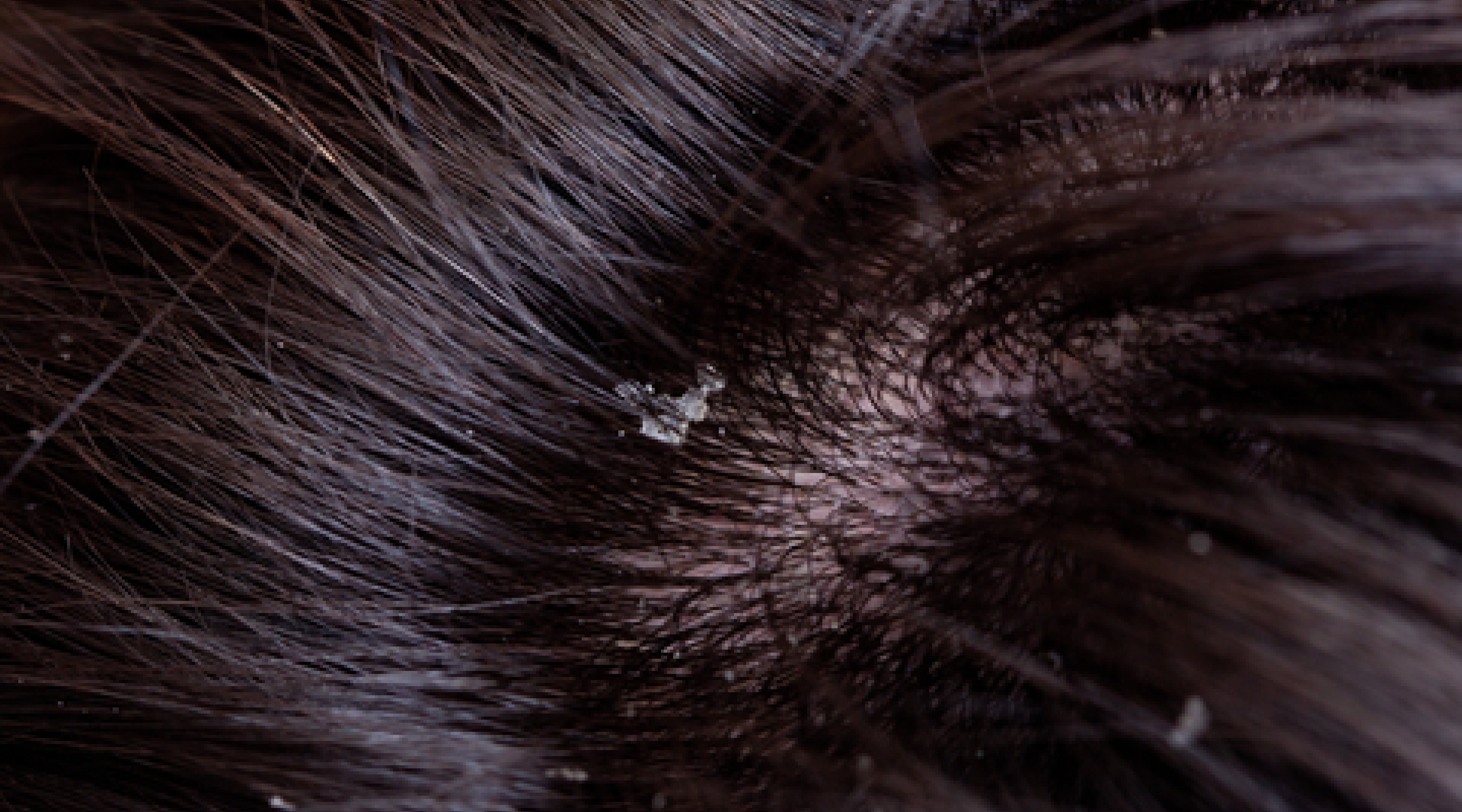
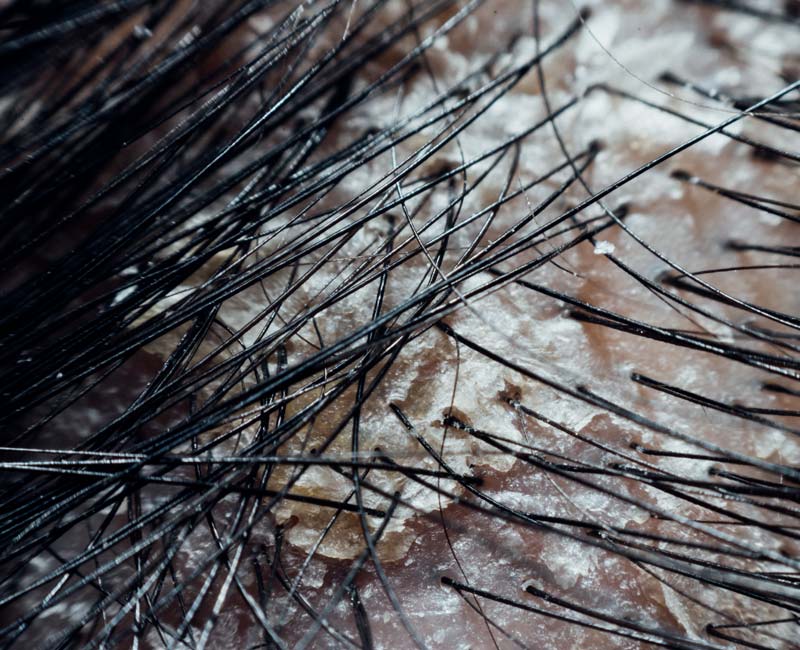
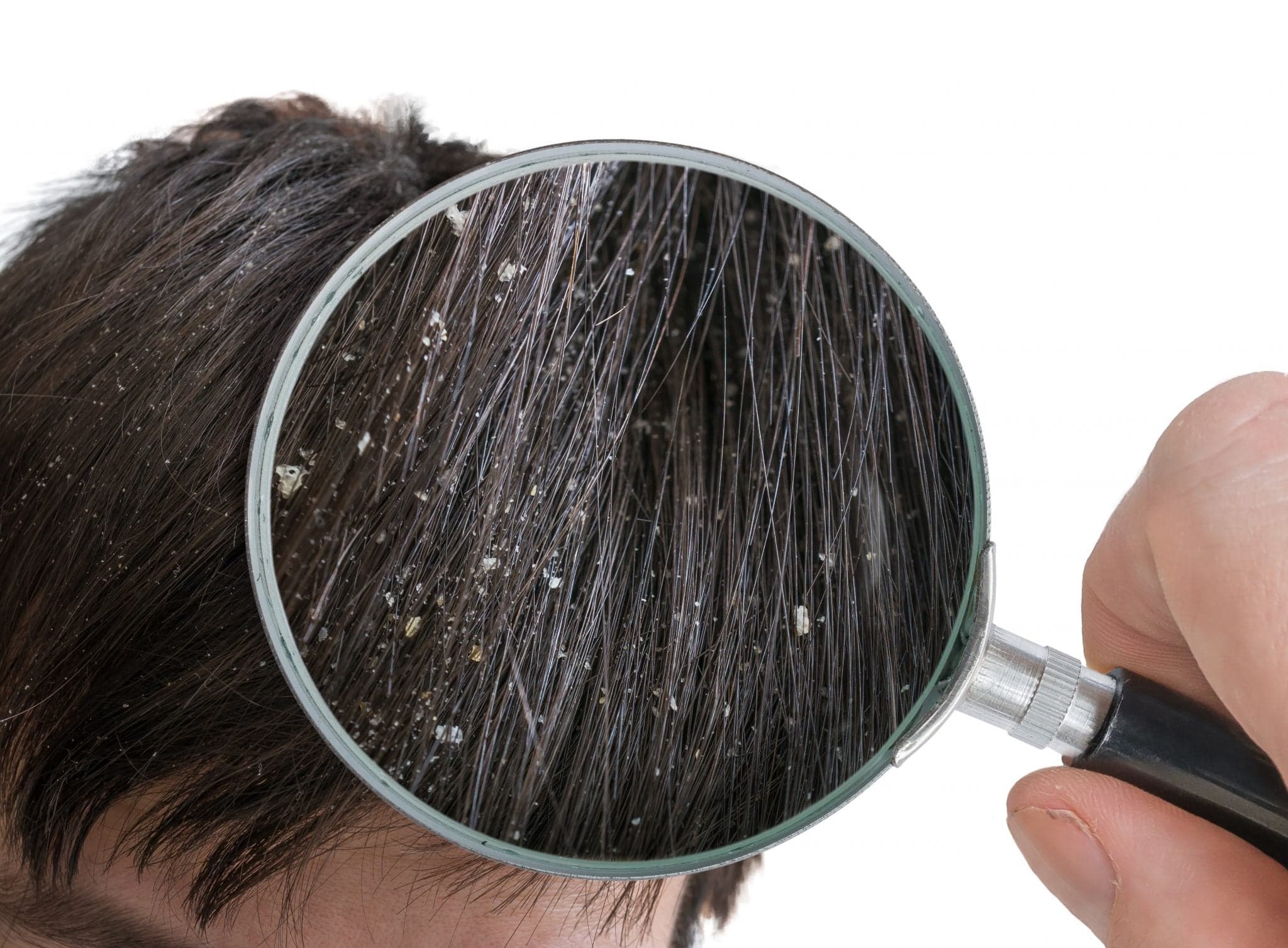
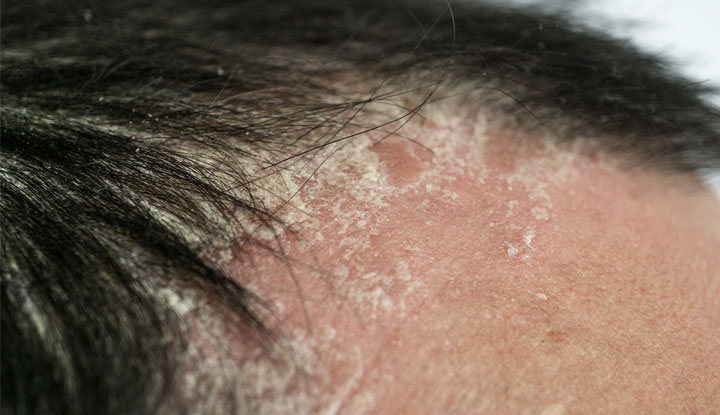
Dandruff is one of the most widespread scalp conditions worldwide. While dryness is often blamed, the real driver is usually yeast overgrowth—specifically Malassezia.
This yeast is a normal resident of the scalp microbiome. The issue arises when it multiplies excessively and breaks down scalp oils into irritating byproducts.
These byproducts trigger inflammation and accelerate skin cell turnover. Instead of shedding invisibly, dead skin cells clump together into visible flakes.
Key triggers include:
Excess oil production
Stress
Hormonal fluctuations
Cold or dry climates
Overuse of heavy styling products
Contrary to popular belief, dandruff is not simply “dry scalp.” In fact, many people with dandruff have oily scalps.
2. Persistent Itching

4
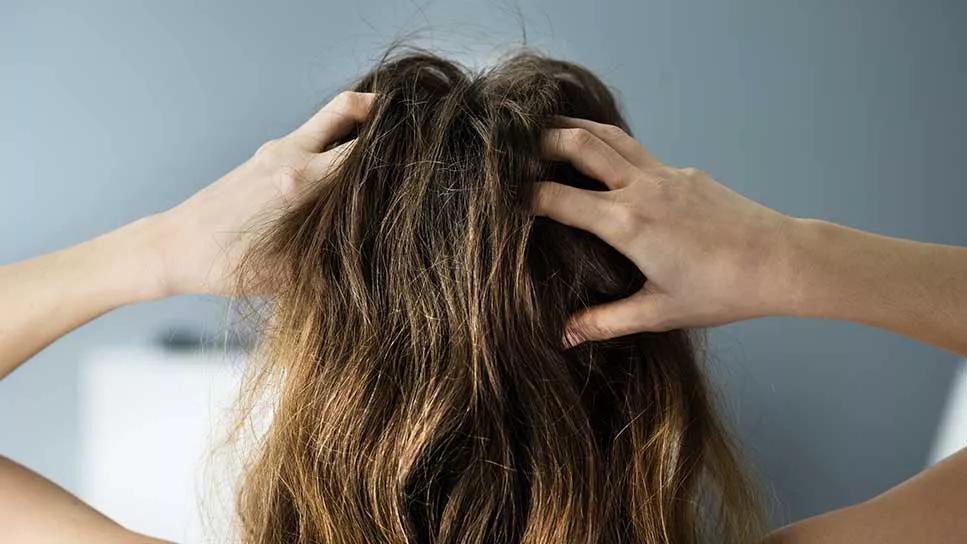
An itchy scalp often indicates microbial imbalance combined with inflammation.
Several factors can disrupt the microbiome and trigger itching:
Product buildup
Harsh shampoos
Infrequent washing
Allergic reactions
Environmental pollutants
When microbes become unbalanced, the scalp barrier weakens. This allows irritants to penetrate the skin more easily, activating nerve endings that trigger itching.
Scratching only worsens the cycle by causing micro-damage to the scalp surface, which further disrupts microbial balance.
3. Oiliness and Greasy Roots

4
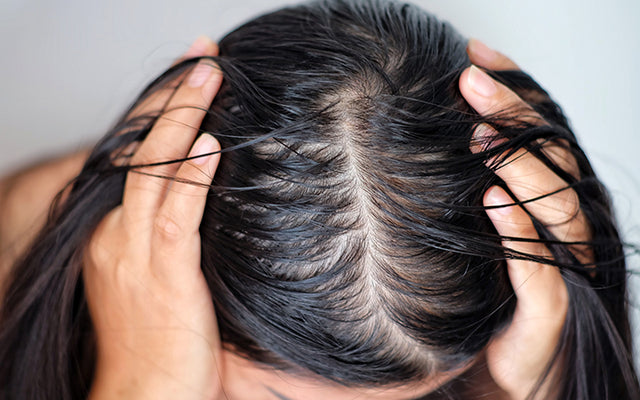
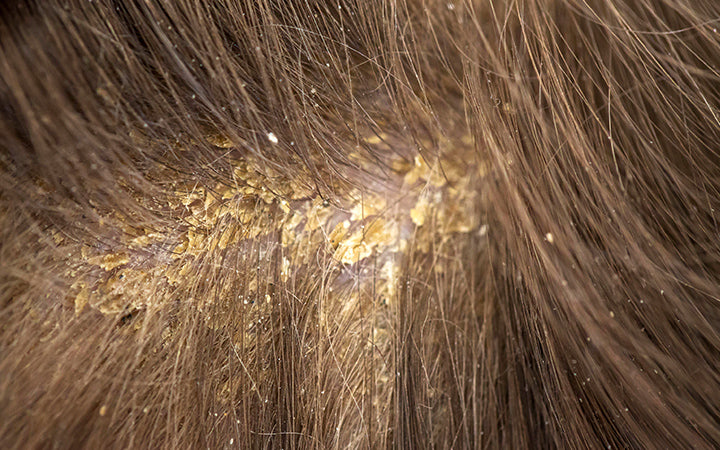
An oily scalp is another sign that the microbiome may be out of balance.
Sebum production is influenced by hormones, genetics, and lifestyle. But microbes also play a role. Certain bacteria and yeasts metabolize oil in ways that stimulate further sebum production.
This can create a feedback loop:
More oil feeds microbes
Microbes multiply
Byproducts irritate the scalp
Sebaceous glands produce even more oil
The result is hair that looks greasy only a day after washing.
Why the Scalp Microbiome Becomes Unbalanced
Modern lifestyles unintentionally disrupt scalp ecosystems in several ways.
Overwashing With Harsh Surfactants
Aggressive cleansing strips away protective oils and beneficial microbes. When the scalp barrier weakens, opportunistic microbes like Malassezia can dominate.
Heavy Product Buildup
Dry shampoos, styling creams, and silicone-heavy products can accumulate on the scalp. This buildup traps sweat and oil, creating an ideal environment for microbial imbalance.
Infrequent Washing
On the opposite extreme, avoiding shampoo for long periods allows oil and dead skin cells to accumulate, which feeds yeast overgrowth.
Stress and Hormones
Stress hormones influence oil production and immune responses in the skin, indirectly affecting microbial balance.
Environmental Factors
Pollution, humidity, and climate changes can alter the scalp’s oil composition and microbial diversity.
The New Science of “Scalp-First” Haircare
In recent years, dermatologists and trichologists have begun advocating for scalp-first haircare routines.
Rather than treating hair alone, this approach focuses on restoring the scalp’s biological environment.
Healthy hair growth, after all, begins at the follicle.
This shift reflects a broader trend in beauty toward microbiome-friendly skincare and scalp health. 🌿
Ingredients That Actually Help Restore Balance
Not every anti-dandruff or scalp product addresses microbiome imbalance effectively. The most effective ingredients target inflammation, yeast overgrowth, or barrier repair.
Zinc Pyrithione
A classic anti-dandruff ingredient that suppresses yeast growth while reducing inflammation.
Ketoconazole
Often found in medicated shampoos, ketoconazole strongly inhibits Malassezia yeast and is widely used to treat persistent dandruff.
Salicylic Acid
This exfoliating ingredient helps dissolve buildup and dead skin cells that contribute to flaking.
Tea Tree Oil
A natural antimicrobial known for reducing yeast growth and calming irritation.
Niacinamide
Better known in skincare, niacinamide helps regulate oil production and strengthen the scalp barrier.
Prebiotics and Postbiotics
Some modern scalp treatments contain microbiome-supporting ingredients that encourage beneficial microbes rather than eliminating them entirely.
These formulas represent one of the most innovative developments in haircare science. 🔬
Building a Microbiome-Friendly Scalp Routine
Improving scalp health rarely requires a complicated routine. In fact, the goal is often to simplify.
Wash Consistently
Most people benefit from washing their scalp every 2–3 days, though oilier scalps may require more frequent cleansing.
Consistency prevents oil and microbial buildup.
Focus Shampoo on the Scalp
Hair strands do not need aggressive cleansing. Massage shampoo gently into the scalp where oil accumulates.
Exfoliate Occasionally
Scalp exfoliation once a week can remove buildup and support healthy cell turnover.
Chemical exfoliants such as salicylic acid are often gentler than physical scrubs.
Avoid Heavy Residue Products
Products that leave thick layers on the scalp can trap microbes and oils.
Choose lightweight formulations when possible.
Protect the Scalp Barrier
Hydrating ingredients like panthenol, aloe, and glycerin help maintain barrier health and reduce irritation.
The Link Between Scalp Health and Hair Growth
Emerging research suggests that scalp inflammation and microbial imbalance may also affect hair growth cycles.
Chronic irritation can disrupt follicle function, potentially shortening the growth phase of hair.
While microbiome imbalance is not the sole cause of hair thinning, maintaining scalp health creates an environment where follicles can function optimally.
Healthy follicles are more likely to produce strong, resilient hair.
This connection is why dermatologists increasingly emphasize scalp care as a foundation for haircare. 💡
Myths About Dandruff and Scalp Health
Myth 1: Dandruff Means Your Scalp Is Dry
In reality, dandruff usually occurs in oil-rich environments.
Myth 2: Natural Oils Cure Dandruff
Applying oils may temporarily soften flakes but can also feed yeast, worsening the problem.
Myth 3: Washing Less Helps the Scalp
For many people, infrequent washing allows microbes and oils to accumulate.
Balanced cleansing is essential.
The Future of Microbiome-Based Haircare
The beauty industry is increasingly investing in microbiome-driven scalp treatments.
New products now incorporate:
probiotic technology
microbiome-balancing ferments
postbiotic scalp serums
personalized scalp diagnostics
Some brands are even developing AI-powered scalp analysis tools that recommend products based on microbial patterns.
These innovations reflect a broader shift toward treating the scalp as living skin rather than simply the base of hair.
The future of haircare may look remarkably similar to modern skincare—scientific, personalized, and microbiome-aware. ✨
Final Thoughts: Healthy Hair Starts With the Scalp
The scalp microbiome may be invisible, but its effects are easy to recognize. Dandruff, itchiness, oiliness, and irritation often trace back to microbial imbalance rather than simple dryness or product issues.
By understanding how the scalp ecosystem functions—and how daily habits affect it—we can move beyond temporary fixes toward lasting scalp health.
Balanced cleansing, microbiome-supporting ingredients, and mindful product use all help restore equilibrium to the scalp’s delicate environment.
And when the scalp thrives, hair follows. 🌍
