The Best Haircare Routine for All Hair Types
The Best Haircare Routine for All Hair Types
Beautiful hair is rarely the result of luck alone. Behind most glossy, healthy strands is a thoughtful routine that nurtures hair from root to tip. While hair textures, densities, and patterns vary widely—from straight and fine to tightly coiled—certain principles of haircare remain universal. A balanced routine that prioritizes scalp health, moisture, protection, and consistency can transform any hair type.
In today’s beauty landscape, the conversation around haircare has shifted. Modern routines blend scientific insight, minimalist philosophy, and mindful product selection. The goal is no longer simply styling hair but maintaining its long-term health and vitality. 💎
This guide explores a comprehensive haircare routine designed to work for all hair types, helping you cultivate stronger, shinier, and more resilient hair over time.
Understanding the Foundation of Healthy Hair
Before exploring the routine itself, it is essential to understand what hair truly needs to thrive.
Hair health begins at the scalp. Just like healthy soil supports strong plants, a nourished scalp encourages better hair growth and strength. Excess oil, product buildup, dryness, and irritation can all disrupt this delicate balance.
Equally important is the structure of the hair strand itself. Hair is composed primarily of keratin proteins arranged in protective layers. When these layers remain smooth and sealed, hair reflects light beautifully and feels soft to the touch. When they become damaged from heat, chemical treatments, or environmental stressors, hair begins to appear dull, brittle, or frizzy.
A well-rounded routine therefore focuses on four pillars:
Gentle cleansing
Consistent hydration
Strengthening and protection
Mindful styling habits
When these elements work together, hair naturally becomes more manageable and resilient.
Step One: Gentle Cleansing for a Balanced Scalp


4
Cleansing is the cornerstone of any effective haircare routine. However, the goal is not simply to remove dirt and oil but to restore balance to the scalp.
Overwashing can strip natural oils that protect the hair shaft, while underwashing can allow buildup to accumulate around follicles. For most hair types, washing two to three times per week provides an ideal balance, though this can vary depending on scalp oil production, climate, and lifestyle.
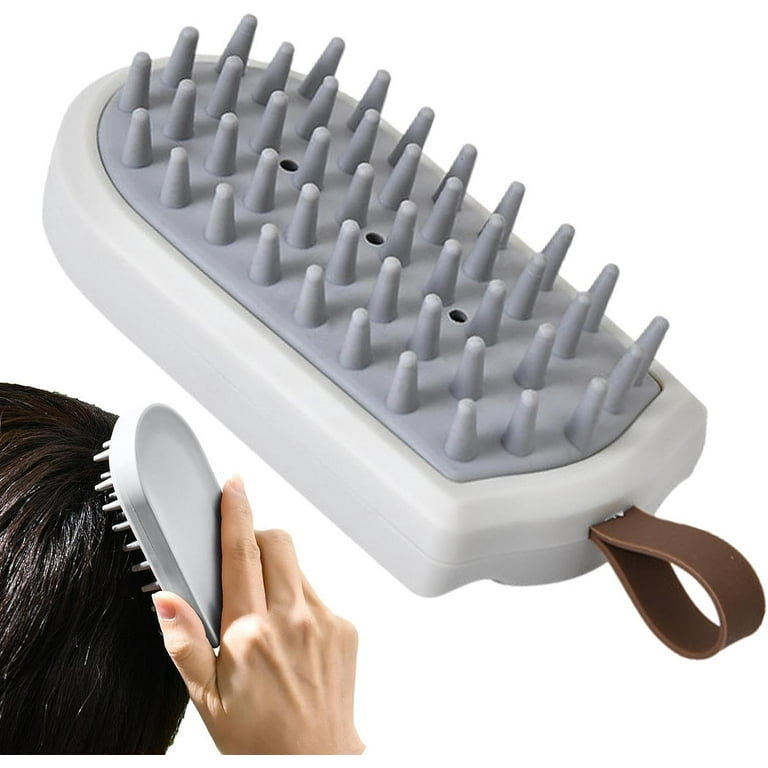
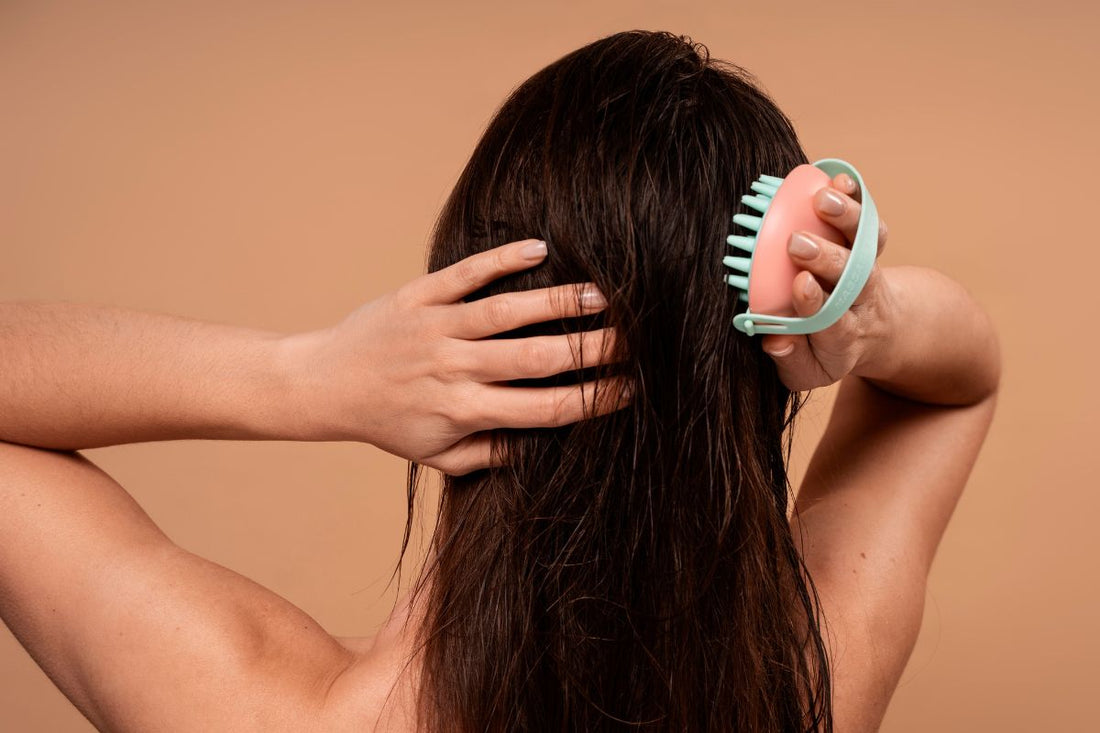
When cleansing, focus attention primarily on the scalp rather than the ends of the hair. A gentle massage with the fingertips helps loosen impurities, stimulate circulation, and distribute natural oils more evenly.
Choosing the right shampoo is equally important. Modern formulas often include nourishing ingredients such as plant oils, ceramides, or amino acids that cleanse without excessive dryness. 🌿
The technique matters just as much as the product. Warm—not hot—water helps open the hair cuticle slightly, allowing the cleanser to work effectively while preventing unnecessary dryness.
Step Two: Deep Conditioning and Hydration


4
After cleansing, conditioning replenishes the moisture and nutrients that hair naturally loses during washing.
Conditioners smooth the outer cuticle layer, helping hair retain hydration and reflect light more evenly. This simple step significantly improves softness, shine, and manageability.
For everyday care, apply conditioner primarily from mid-length to the ends of the hair where dryness tends to occur. Allow the formula to sit for a few minutes before rinsing to ensure full absorption.
Weekly deep-conditioning treatments elevate this process even further. Hair masks rich in oils, proteins, or botanical extracts penetrate more deeply into the hair fiber, helping repair minor damage and restore elasticity. 🧬
These treatments are particularly beneficial for individuals who regularly use heat styling tools, color treatments, or live in environments with high sun exposure.
Over time, consistent conditioning transforms the feel of the hair, making it smoother, stronger, and easier to style.
Step Three: Nourishing the Scalp


4
Modern haircare increasingly recognizes the importance of scalp treatments. Just as skincare routines evolved beyond basic cleansing and moisturizing, haircare now includes targeted scalp care.
A healthy scalp promotes better follicle function, which directly influences hair growth and strength.
Lightweight scalp serums, botanical oils, or nutrient-rich tonics can be applied between wash days to nourish the roots. Ingredients such as rosemary extract, niacinamide, peptides, and plant oils are particularly popular in contemporary formulas. 🔬
Massaging these treatments into the scalp not only improves absorption but also enhances circulation, delivering oxygen and nutrients more efficiently to the follicles.
This simple ritual can take just a few minutes but provides lasting benefits for hair density and overall vitality.
Step Four: Protective Styling and Gentle Handling
One of the most overlooked aspects of haircare is how hair is handled during styling. Even the most luxurious products cannot compensate for daily mechanical damage.
Hair strands are surprisingly delicate, especially when wet. After washing, avoid aggressive towel drying or brushing, as this can stretch and weaken the hair fiber.
Instead, gently squeeze excess water from the hair and wrap it in a soft microfiber towel or cotton T-shirt. These fabrics absorb moisture without rough friction.
When detangling, begin at the ends and gradually work upward toward the roots using a wide-tooth comb or a flexible detangling brush.
Protective styling also plays a significant role in maintaining hair health. Loose braids, buns, or twists help reduce friction while preventing tangling throughout the day.
The key is to keep hairstyles comfortable rather than tight, as excessive tension can stress the hairline and scalp over time.
Step Five: Heat Styling with Care
Heat styling tools have become indispensable for many modern beauty routines. However, excessive heat remains one of the primary contributors to hair damage.
Fortunately, thoughtful use of heat tools can minimize these risks.
Whenever possible, allow hair to air dry partially before blow-drying. This significantly reduces the time hair is exposed to heat.
Heat protectant sprays or creams create a protective barrier around the hair shaft, helping prevent moisture loss and structural damage.
Lower temperature settings are often just as effective as high heat when used with proper technique. Consistency matters more than intensity.
Additionally, incorporating occasional “heat-free days” allows the hair to recover and retain its natural moisture balance.
Step Six: Nighttime Haircare Rituals
Many people overlook the impact of nighttime habits on hair health.
During sleep, hair can experience friction against pillows and bedding, leading to breakage, tangles, and frizz.
Silk or satin pillowcases dramatically reduce this friction, allowing hair to glide smoothly across the surface. These materials also help retain moisture within the hair strand.
For longer hair, loosely braiding or tying the hair in a soft bun before bed helps maintain its structure and prevents knots.
This simple nighttime ritual protects the hair while you rest, ensuring it remains smooth and manageable the following morning.
Step Seven: Consistency and Long-Term Hair Health
The most effective haircare routine is not necessarily the most complicated one. Instead, it is the routine that can be maintained consistently over time.
Healthy hair does not transform overnight. Instead, it reflects weeks and months of thoughtful care.
Consistency allows the scalp to remain balanced, the hair fiber to maintain hydration, and styling habits to become second nature.
Equally important is listening to your hair’s needs. Seasonal changes, stress levels, diet, and environmental exposure can all influence how hair behaves.
Adjusting products and techniques accordingly ensures that your routine remains supportive rather than rigid.
The Role of Nutrition and Lifestyle
Hair health extends beyond topical treatments. Nutritional balance plays a fundamental role in hair growth and strength.
Hair follicles rely on a steady supply of vitamins, minerals, and proteins to produce strong keratin fibers. Nutrients such as biotin, iron, zinc, omega-3 fatty acids, and vitamin D are particularly important.
Hydration also contributes significantly to hair vitality. Just as skin reflects internal hydration levels, hair can appear dull or brittle when the body lacks sufficient fluids.
Stress management, regular sleep patterns, and physical activity further support the biological processes that sustain hair growth.
A holistic approach—combining external care with internal nourishment—creates the strongest foundation for beautiful hair. 🌍
Adapting the Routine for Different Hair Types
While this routine supports all hair types, small adjustments can enhance its effectiveness depending on individual textures.
Fine hair may benefit from lightweight conditioners and volumizing formulas that avoid weighing strands down.
Thicker or coarser hair often thrives with richer moisturizing treatments and occasional oil applications to seal hydration.
Curly and coily textures typically require more frequent conditioning and gentle detangling techniques to maintain definition and elasticity.
Regardless of texture, the same core principles apply: cleanse thoughtfully, hydrate consistently, protect against damage, and treat the scalp with care.
The Modern Philosophy of Haircare
In recent years, the beauty industry has shifted toward a more mindful philosophy of haircare. Rather than chasing endless products, many people now focus on fewer, higher-quality formulas that deliver meaningful results.
This approach aligns with broader trends in clean beauty, sustainability, and minimalism. 🌿
Consumers increasingly value ingredients backed by research, ethical sourcing, and environmentally responsible packaging.
Ultimately, the modern haircare routine is less about complexity and more about intentional care. By focusing on foundational habits that nurture both scalp and strands, anyone can cultivate hair that looks and feels its best.
Final Thoughts
Healthy hair is not defined by a single texture, color, or length. Instead, it reflects balance—between cleansing and hydration, styling and protection, science and simplicity.
The best haircare routine for all hair types embraces this balance. It respects the unique nature of each individual’s hair while honoring the universal principles that sustain its health.
With patience, consistency, and a few thoughtful rituals, beautiful hair becomes less of a mystery and more of a natural result.
And perhaps the most rewarding part of the journey is discovering that truly healthy hair does not just look good—it feels strong, resilient, and effortlessly radiant.
